The Best Way to Teach Classroom Expectations
If classroom expectations worked just by explaining them once, teaching would be a whole lot easier. But in real classrooms, telling students what to do doesn’t always translate into them actually doing it. Classroom management is more than just having a set of rules, having anchor charts, or giving students tickets or points. If you want something that works, creates a positive learning environment, then that’s where interactive modeling comes in. It turns expectations from words into actions students can see, practice, and understand. As an added bonus, it makes you have a classroom culture where students respect one another and good behavior is the norm.
Why “Just Telling Them” Isn’t Enough
You’ve probably said something like, “We’ve gone over this already,” while watching students line up like it’s their first day of school… in March. Or you remind them to raise their hand, only to have the same handful of kids call out two seconds later. It’s frustrating, especially when you know you’ve explained the expectation.
But here’s the thing: explaining it isn’t going to make it stick.

OVERLOADED caseload? No idea how you are going to manage it all? This Summit is for you.

calling all SPED Teachers
OVERLOADED caseload? No idea how you are going to manage it all? This Summit is for you.
When we tell students, “Be respectful” it can be incredibly vague. Or “walk in the hallway,” we’re using adult language for behaviors that are actually made up of a bunch of tiny, unwritten steps. What does walk actually look like, are we allowed to talk, what do I do with my hands, eyes, feet? What does “raise your hand” look like when you’re excited, confused, or already feeling dysregulated? And we know that you can’t predict every single negative student behavior that is going to pop up. BUT with clear expectations you can make sure that you create a classroom community where students display the acceptable behavior you need to be able to get through your lessons.

The teachers who have good classes year after year isn’t by luck. They learned how to set effective classroom rules by using interactive modeling. Keep reading so you can have this in your classroom too.
When to Teach Expectations (Hint: It’s Not Just the First Week)
A lot of teachers feel like if expectations don’t stick after the first week of school, they’ve somehow missed their window or expect kids just know what to do once they are in the swing of things. But (unfortunately or fortunately) expectations aren’t a one-and-done lesson, they’re something students need revisited over and over again. So let’s talk about when to do them. (By the way this isn’t true just for younger students. If you want a solid classroom routine this is going to be what you need to do not matter the age.)
The beginning of the year is important, (of course) but it’s also when students are on their best behavior. The honeymoon period is a real thing. Plus students are learning SO many different expectations they are guaranteed to miss a few specifics or steps. Plus, the real test comes later, when routines change, academic demands ramp up, or everyone’s patience start to run low.
One of the most important times to reteach expectations is after a break. Winter break, spring break, long weekends, students come back with different sleep schedules, different routines, and different expectations from home vs school.. Jumping straight into academics without resetting expectations is usually when behaviors start popping up fast.

Expectations also need to be retaught when new students join the class. Even if the rest of the group “knows the routine,” a new student changes the dynamic. Taking time to model expectations again helps everyone feel more secure and avoids singling anyone out. When you do it proactively like this, it sets a positive tone for the class and is so much easier than backtracking when behaviors start.
Another time that is often forgotten is when expectations start slipping. If transitions are suddenly taking forever, group work feels chaotic, or students seem to “forget” what to do, that’s not a sign you need harsher consequences…it’s a sign you need clearer teaching. Interactive modeling is one of the best ways to get your kids back on track because it lets you pause, reset, and practice before small issues turn into bigger ones.
Finally, expectations should be revisited during high-energy or high-stress times, assemblies, schedule changes, testing weeks, holidays, or even just those weeks where everyone feels a little off. These are the moments when students need the most support, not the least.
Reteaching expectations doesn’t mean you’re going backwards. It means you’re responding to what your students actually need in the moment and setting yourself up for smoother days ahead. Bonus, when you have solid expectations you get more time to teach which ultimately leads to more academic success.
The Interactive Modeling Process (Step-by-Step)
This is the part teachers usually overcomplicate, so let’s simplify it. Interactive modeling doesn’t need a fancy script or a long lesson block. It’s a short, intentional process that makes expectations clear before things fall apart. It may feel like a lot of steps but I promise if you do it at the beginning of your year you will have solid clear guidelines and ultimately positive behavior.
Step 1: Model the Expectation
Start by showing students exactly what the expectation looks like. And I mean exactly. If you’re modeling lining up, you need to stand up and show them what it looks like. Model how you want them to do it, where your body is, what your hands are doing, how fast you’re moving, and what your voice sounds like (or doesn’t sound like).
For example, you might say:
“I’m standing on my line spot. My hands are by my sides. My eyes are looking forward. I’m keeping my body calm even though I’m excited.”
This step matters because students can’t follow expectations they can’t clearly picture. Also, at times there can different in how kids interpret expectations if you just simply say it and don’t model it.
Step 2: Ask Students What They Notice
Instead of asking, “Does everyone get it?” ask questions that make students think:
- “What did you notice about my body?”
- “What did you hear?”
- “What helped that go smoothly?”
This is a great way to have students hone in on what you want. It is an engaging way to get them to also repeat the expectations for you instead of being boring. When you just ask if everyone gets it or if they have questions, no one is going to have questions.

Step 3: Let a Few Students Practice
Choose one or two students to model next. Pick students who are ready to be successful so the example stays positive. As you get to know your classroom, it can be very impactful to have students who struggle at times. This shows them as well as other students that they can do it as well as feel success.
As they practice, narrate what they’re doing well being very specific.
“You did a great job lining up without talking.”
A great next step is to also get the feedback of other students on what they noticed and heard.
Step 4: Practice as a Group
Now have everyone try it together. This is where expectations turn into routines. It is not enough to have kids just watch this. Every single kid needs to practice the expectation to make sure they understand what is expected. Whether it’s transitioning to the carpet, starting independent work, or using a calm-down space, practicing as a group gives students a chance to build confidence while things are still calm.
Step 5: Reinforce the Expectation
The final step is what is going to make sure this sticks is to use positive reinforcement. What that means can be something simple like verbal praise. Be sure to be specific. Here are some examples:
“I noticed our line was quiet and everyone kept their hands to themselves.”
“That transition was fast and calm, that tells me we’re ready for math”
You could also tie this into a classroom wide system if you have one. If it is the beginning of the year and you are trying to get the kids on board, using this tool is a great way to get student buy-in.

Optional step:
I say this with a word of caution.. sometimes (depending on your group of students) you can show a non-example. Basically what not to do. This is a way to make kids laugh and be a tad silly to lighten to mood. However, some kids may realize they can make their peers laugh and ONLY do it this way even when you need them to do it the right way.
When Should You Use This?
Honestly, any time you want to teach a routine or expectation. It may feel like a lot at the beginning of the school year but it will change your classroom behavior as a whole if you do it. Here is a list of classroom rules/ expectations you can do in your classroom. Please know this is not a complete list but one to get your brain started.
- Entering the classroom
- Morning arrival
- Coming back from specials or lunch
- Transitions
- Lining up
- Moving to the carpet
- Switching centers or activities
- Cleaning up and moving to the next task
- Whole-group instruction
- Sitting on the carpet
- Listening and responding
- Raising a hand
- Independent work time
- Starting work right away
- What to do if work feels hard
- Asking for help appropriately
- Staying in your space
- Small groups & partner work
- Taking turns
- Using inside voices
- Disagreeing respectfully
- Staying with the group
- Regulation routines
- Using a calming corner
- Asking for a break
- Returning to learning after a break
- Classroom materials
- Getting supplies
- Sharing materials
- Cleaning up
- End-of-day routines
- Packing up
- Dismissal expectations
Using Visuals to Reinforce Expectations
Once expectations are taught through interactive modeling, visuals help students remember what to do without constant verbal reminders. A visual schedule, expectation chart, or break card gives students a quick cue they can refer back to when they’re unsure or overwhelmed. When you use visuals it just takes away from you having to repeat the expectations every single time. They also makes it so you have crystal clear classroom rules.
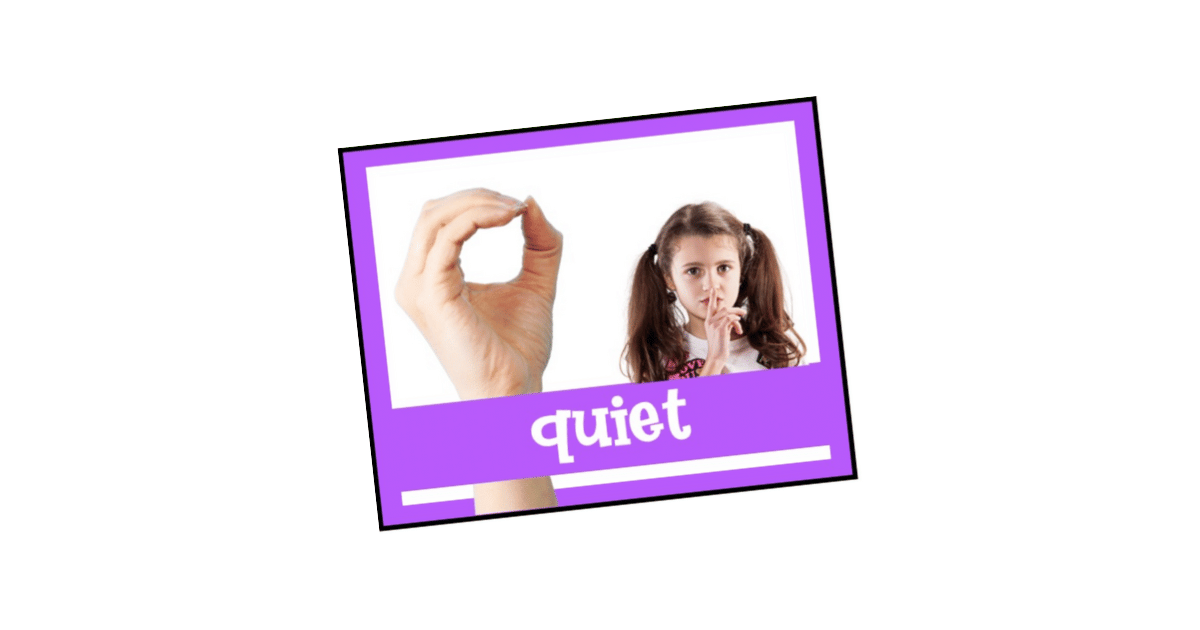
Visuals work best when they’re tied to expectations students have already practiced. A little visual is my favorite way to quickly point and remind a student instead of a long reminder and help students get back on track calmly. They don’t replace teaching, but they do help expectations stick.
Need another blog post to get you through some tough behaviors? Check these out:
Strategies for Discipline in Classroom Management: If you need help with using discipline and having clear consequences.
Understanding Aggressive Behavior with Autistic Students: If you are experiences some major behavioral challenges.
The Best SEL Strategies for Teachers in the Classroom: To tackle a whole heap of behavior issues proactively.