Printable Behavior Chart Resources for your Classroom
When behavior challenges start popping up in the classroom, one of the first things most teachers reach for is a behavior chart.
And honestly? Sometimes that’s exactly the right move.
A well-designed printable behavior chart can give the student structure, consistency, and a clear visual reminder of what the expectations are. It can help them understand what success looks like, track progress toward personal goals, and celebrate positive behavior throughout the school day.

OVERLOADED caseload? No idea how you are going to manage it all? This Summit is for you.

calling all SPED Teachers
OVERLOADED caseload? No idea how you are going to manage it all? This Summit is for you.
But here’s the thing a lot of teachers don’t realize: Not all behavior charts are created equal.
A behavior chart that works beautifully for one student may completely flop for another. (Trust me, I’ve done it!)
A system that motivates younger children may feel really childish to older kids. And a chart that focuses too heavily on mistakes can increase frustration rather than encouraging the behavioral change we want to see.
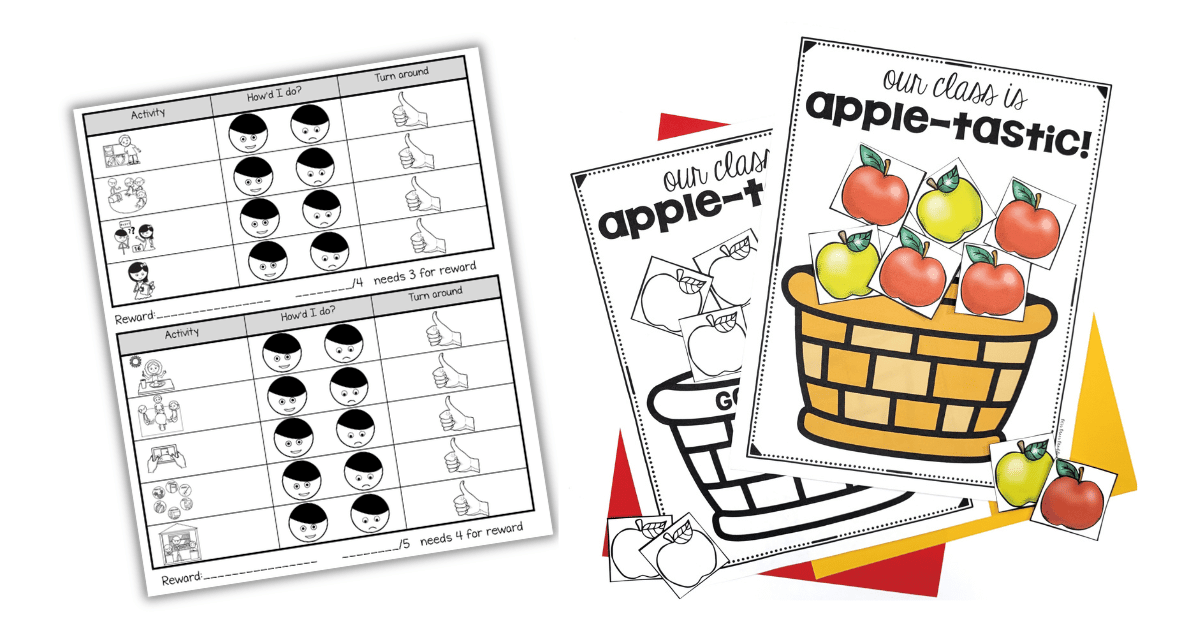
That’s why it’s important to think carefully about how we use behavior charts in our classrooms and which ones are needed to support our students in learning skills and not just masking behavior.
When paired with positive reinforcement, clear expectations, and realistic goals, behavior charts can be one of the most effective tools in your classroom management toolbox.
In this blog, we’ll take a closer look at how behavior charts work, the different types available, and how to choose the right classroom behavior chart for your students. Don’t worry, I’ve got you covered on all fronts!
Why Behavior Charts Work
At their core, behavior charts are just visual tools. They take something abstract, like “how to behave”, and make it visible, concrete. A lot of students struggle to understand exactly what adults mean when we say things like:
- “Make good choices.”
- “Pay attention.”
- “Be respectful.”
- “Stay on task.”
Those expectations may seem pretty obvious to us, but for these students, especially those with special needs, they can feel incredibly vague.
Behavior charts help to bridge that gap.
Instead of wondering how they’re doing and if they’re doing well or not, students can see their progress throughout the day. They know what behaviors are being looked at, what goals they’re working toward, and how they’re doing along the way.
For students who thrive on routine and predictability, this can be a great way to reduce anxiety and increase success.
Behavior charts also provide important daily data for teachers. Did you know you can even get kids to take their own data?!
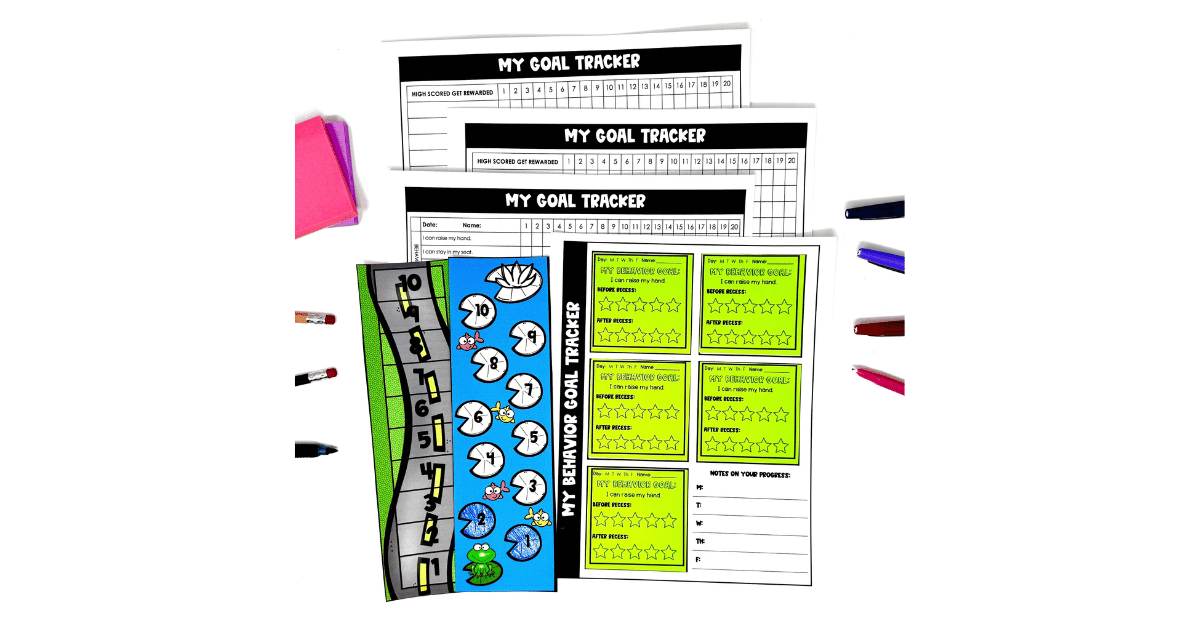
When we’re consistently tracking specific behaviors, patterns start to emerge. We might notice that these targeted behaviors happen during transitions, independent work, or at a particular time of day (like 2pm right before dismissal).
That information is gold and can help us make better decisions moving forward about interventions and inform IEP and BIP creation.
The Difference Between Positive and Punitive Behavior Charts
One of the biggest mistakes I see with behavior charts is when they become entirely focused on the behavior we’re trying to get rid of.
Students spend all day worrying about losing points, moving clips down, missing rewards, or getting called out publicly. This is exactly what we need to be avoiding if we want to maintain school as a positive and trauma-informed environment.
While the above approaches might create in-the-moment compliance, it usually doesn’t lead to meaningful behavioral change.
Instead, teachers should focus on systems that highlight positive behavior whenever possible. Think about it this way:
Would you feel motivated if your boss spent all day pointing out every mistake you made?
Likely not. Students are the same.
The goal is to help them notice their successes and build confidence while learning appropriate behaviors.

This doesn’t mean we’re ignoring challenging behaviors. You know that’s not happening over here! It just means we spend more energy reinforcing desired behavior than punishing undesirable behavior.
When students experience success and feel good about how their day goes at school. they’re much more likely to repeat the behavior we want to see.
Types of Behavior Charts You Can Use
There isn’t one perfect classroom behavior chart for every situation. Different students, grade levels, and classroom environments mean you’ll take a different approach. The lists below will help you figure out which is right for you and your students right now.
Daily Behavior Charts
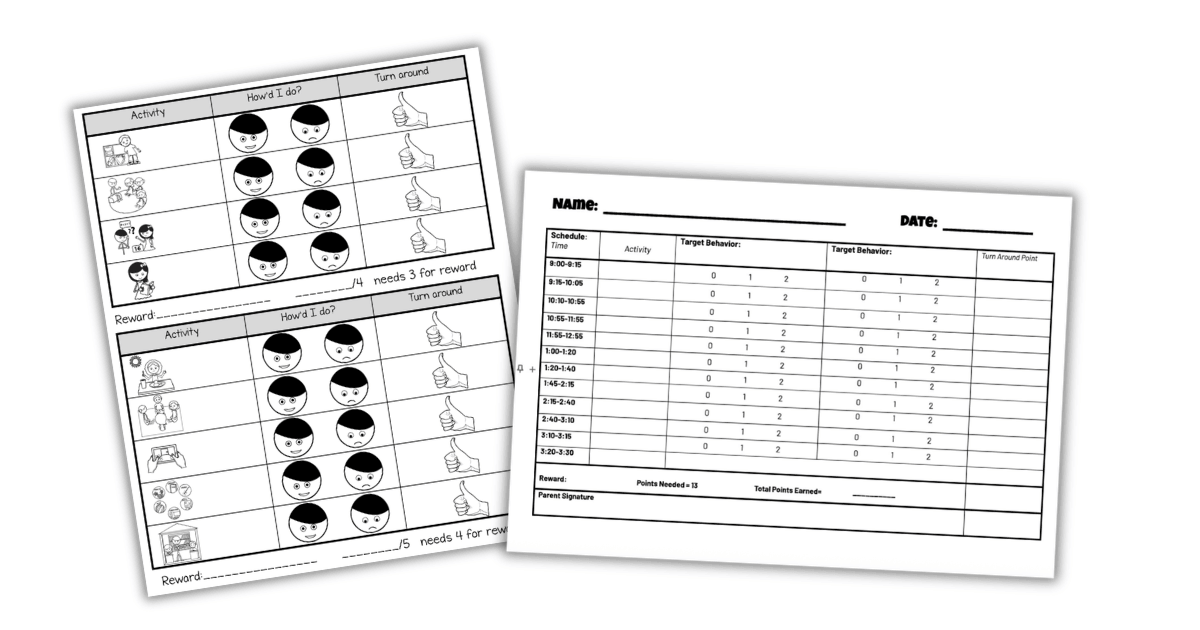
A daily behavior chart tends to be one of the easiest places to start. Students receive feedback throughout the day on a few targeted goals.
This type of chart works really well when you’re focusing on one or two specific behaviors:
- Staying on task
- Keeping hands to themselves
- Following directions
- Completing assignments
- Using appropriate language
Because students get feedback frequently with a daily behavior chart, they have a lot of opportunities to be successful throughout the day.
For a lot of students, especially younger children, immediate feedback is much more effective than waiting until the end of the week.
Weekly Behavior Charts
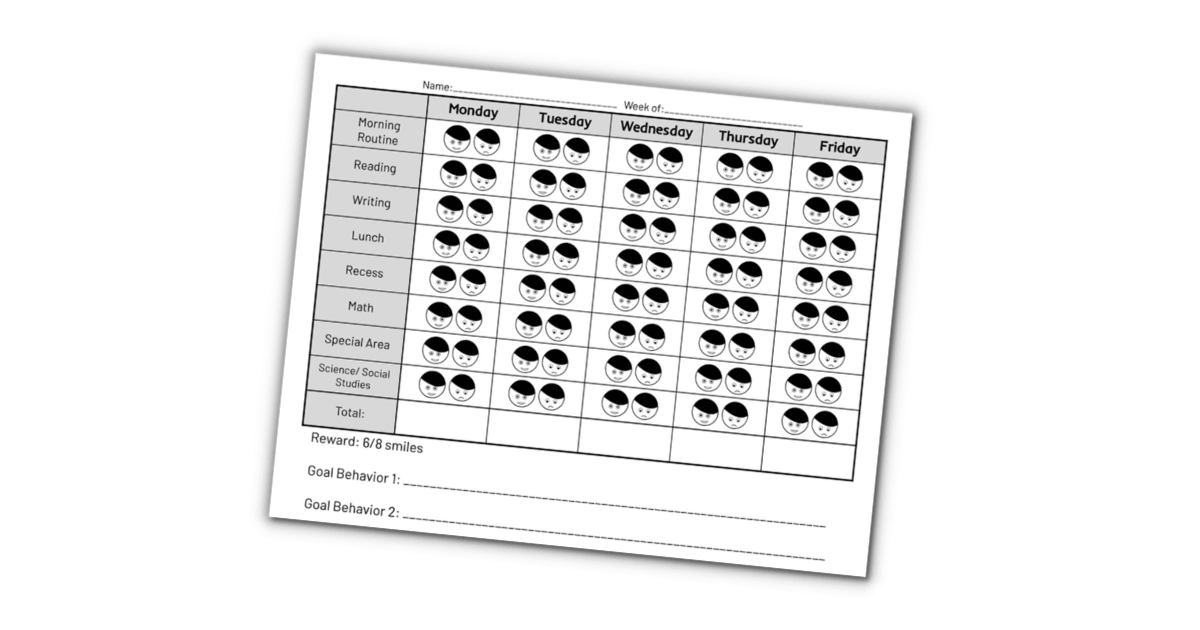
A weekly behavior chart gives you a broader picture of student progress. Rather than focusing on individual moments throughout their day, students work toward larger goals over several days.
This approach can be helpful for older students, like middle school aged, and even some high school students who are developing greater independence, but still need support.
Weekly systems encourage students to reflect on their growth and take ownership of their choices over a longer period of time. You may start with daily charts then progress to weekly as the students continues to make progress!
Sticker Charts
Sticker charts are popular for a reason. A lot of younger kids love earning stickers. They’re simple, a clear visual, and are very easy to implement.
When using sticker charts, it’s important to connect stickers to specific action steps rather than general praise.
Instead of saying,“Good job,” try saying,“You earned a sticker because you followed directions the first time.”
This helps students understand exactly which behavior earned the reinforcement. It solidifies the learning and helps code the meaning behind the sticker.
Reward Charts
Reward charts are another great option. With reward charts, students earn points, stickers, checkmarks, or tokens that lead toward a pre-determined reward.
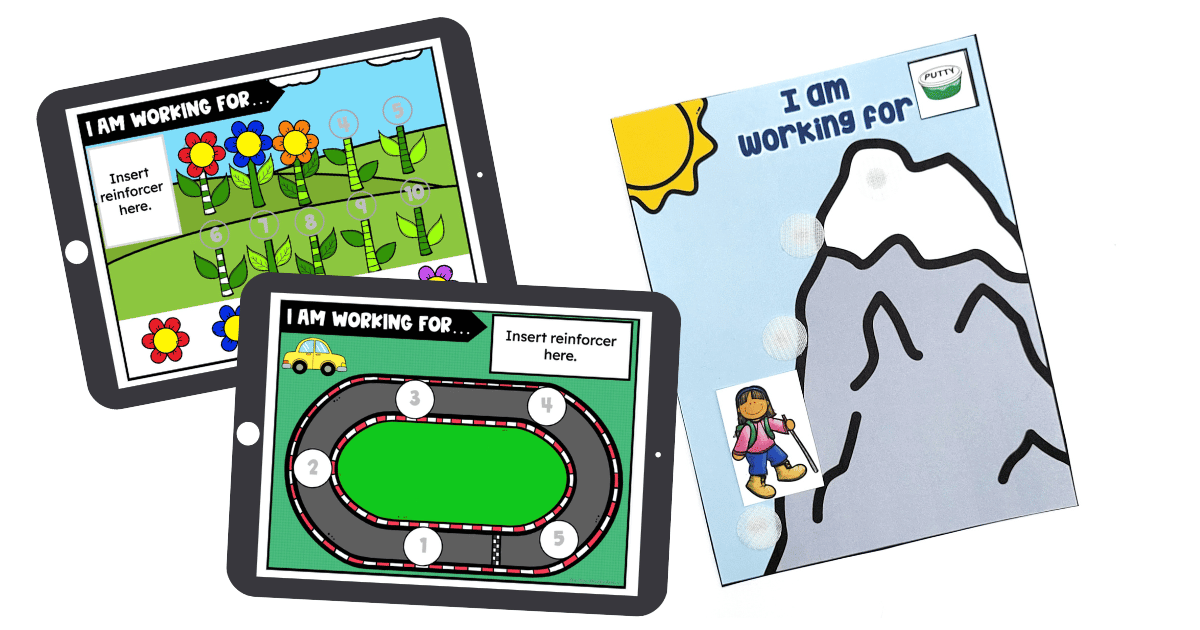
The reward doesn’t have to be any extravagant, but it should be something the student(s) wants to work for. These reward charts are great for class-wide systems, as well.
Some of the most successful reward charts involve simple incentives like:
- Choosing a classroom job
- Extra free time
- Lunch with the teacher
- Picking a read-aloud
- Sitting with a friend
Are Behavior Clip Charts Effective?
Let’s talk about something you may be wondering. Should, or shouldn’t I, be using a clip chart? Behavior clip charts have become controversial over the years. If you’ve been teaching for any length of time, you’ve probably seen the same charts where students move clips up and down throughout the day based on their behavior.
When I started teaching, they were in every elementary classroom. Now, I rarely see them.
Some teachers find behavior clip chart systems helpful and like them. Others feel they create unnecessary shame, especially when students are publicly moved down in front of peers.
Think about it. If students are constantly being moved down for mistakes (in or out of their current skill level), the system can quickly become discouraging.
However, if the focus remains on growth, encouragement, and opportunities, they can still serve as a useful visual aid for some classrooms. It’s important to make sure students are never moved down, only up, and that every student is praised for at least 1 thing daily!
The key is making sure students feel celebrated, rather than called out and embarrassed.
Behavior Charts in Special Education
Behavior charts are particularly helpful in special education settings.
Many students receiving special education services benefit from visual aids, predictable routines, and explicit feedback. A behavior chart can meet all of those needs.
They can help break larger expectations into manageable steps.
For example, instead of expecting a student to simply “follow the rules,” we might track:
- Beginning tasks independently
- Raising a hand before speaking
- Completing assigned work
- Using coping strategies
- Following classroom routines
This level of specificity often helps students understand exactly what success looks like.
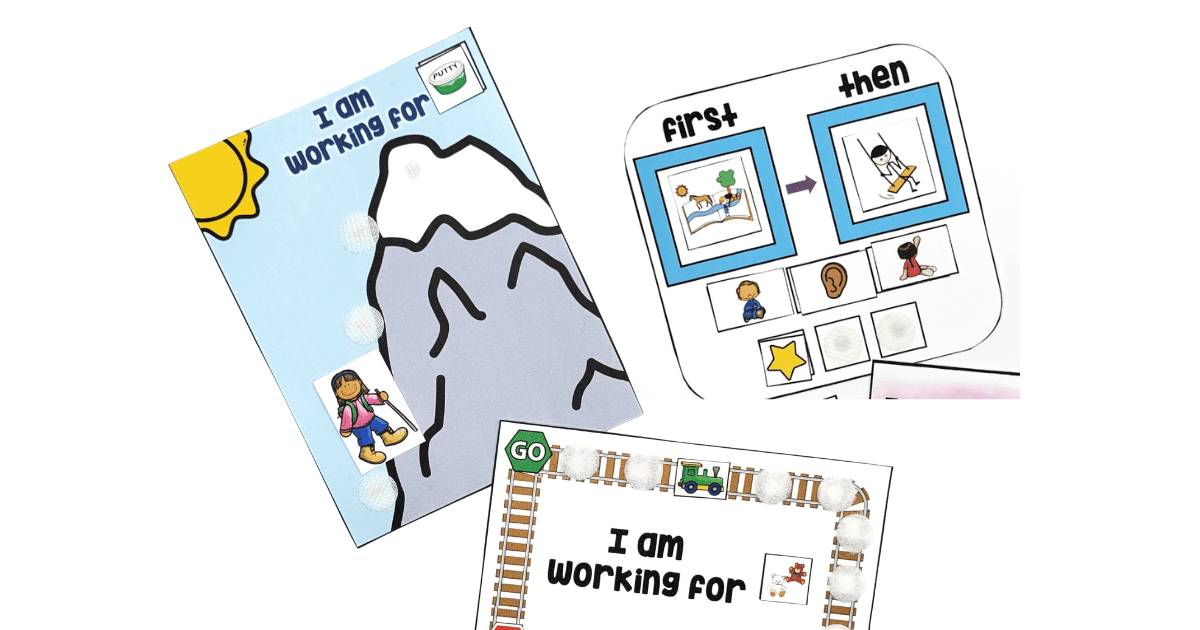
Behavior charts can also be effective when used alongside speech therapy, occupational therapy, counseling services, or behavior intervention plans. It’s an ecosystem of support and every provider should be using them with fidelity if you’re choosing to use them!
Matching Charts to Different Age Groups
A common mistake is using the same behavior charts across all grade levels. What works for a kindergartener probably won’t work for a seventh grader.
Younger children usually respond well to:
- Smiley faces
- Sticker charts
- Visual rewards
- Immediate feedback
Older children typically benefit from:
- Goal-setting opportunities
- Self-monitoring systems
- Reflection activities
- Increased independence
Middle school and high school students may prefer tracking personal goals privately instead of using highly visible classroom systems.
The goal is always to match the system to the student’s developmental level, age group, and preference when we can.
Setting Students Up for Success
One of the most important parts of any behavior chart happens before the chart is ever shown to them. Students have to understand the expectations.
This sounds obvious, but it tends to be something we miss.
Before asking students to meet a goal, ask yourself:
- Have I explicitly taught this behavior?
- Have I modeled it?
- Have students practiced it?
- Do they understand what success looks like?
Behavior charts can’t replace instruction-they have to support it. So, take the time and teach the skills, repeatedly, while implementing charts as a support mechanism.
When Behavior Charts Don’t Work
Even if we try, sometimes implement a new chart and see little to no improvement.
This might mean the chart is targeting the wrong issue or it’s in the wrong format.
For example, if a student struggles with attention due to ADHD, a reward chart alone isn’t going to solve the problem.
If a student has difficulty with emotional regulation, they are going to need additional support beyond a daily behavior chart.
You can’t chart your way out of teaching skills. The chart is simply one piece of a much larger puzzle.
My Favorite Printable Behavior Chart Resources
If you’re looking for ready-to-use resources that will save you time and provide structure, here are two great options I use with my students.
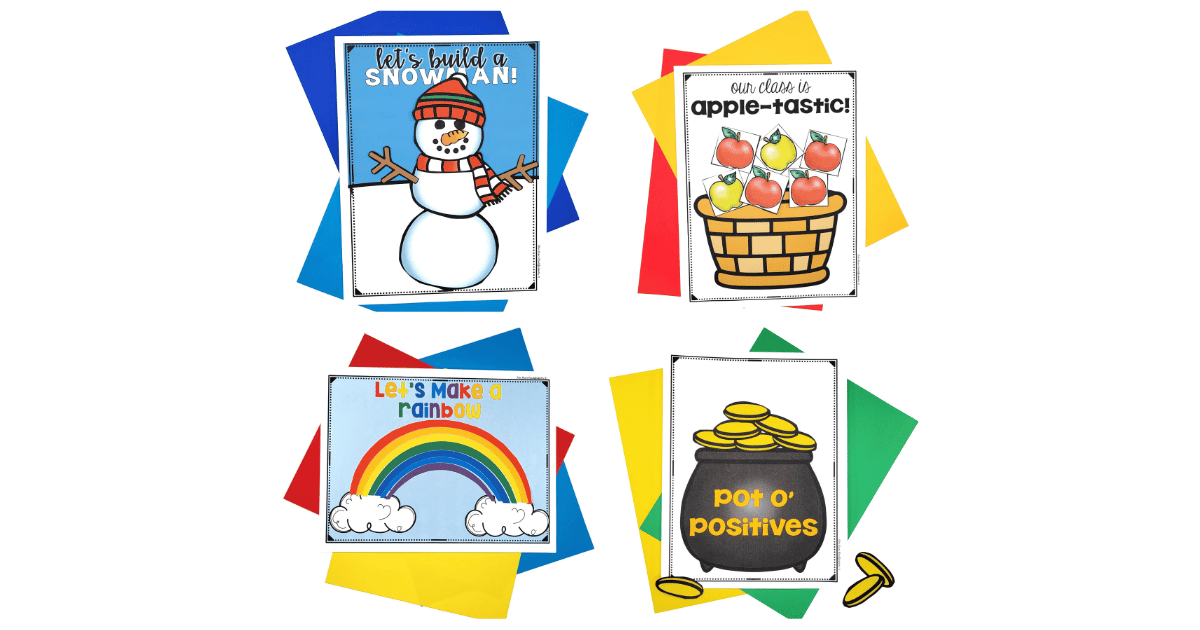
Classroom-Wide Reward System
This classroom-wide reward system is a great way to build positive behavior across your entire classroom.
Instead of focusing on individual mistakes, students work together toward shared goals and fun outcomes.
Class-wide systems give your students a sense of teamwork while reinforcing appropriate behaviors throughout the day.
This can be really effective during the beginning of the school year when you’re trying to establish classroom culture and daily routines.
You can grab it here.
Editable Behavior Contracts and Charts
When you need individual support, editable behavior contracts and charts are a great tool to have in your back pocket.
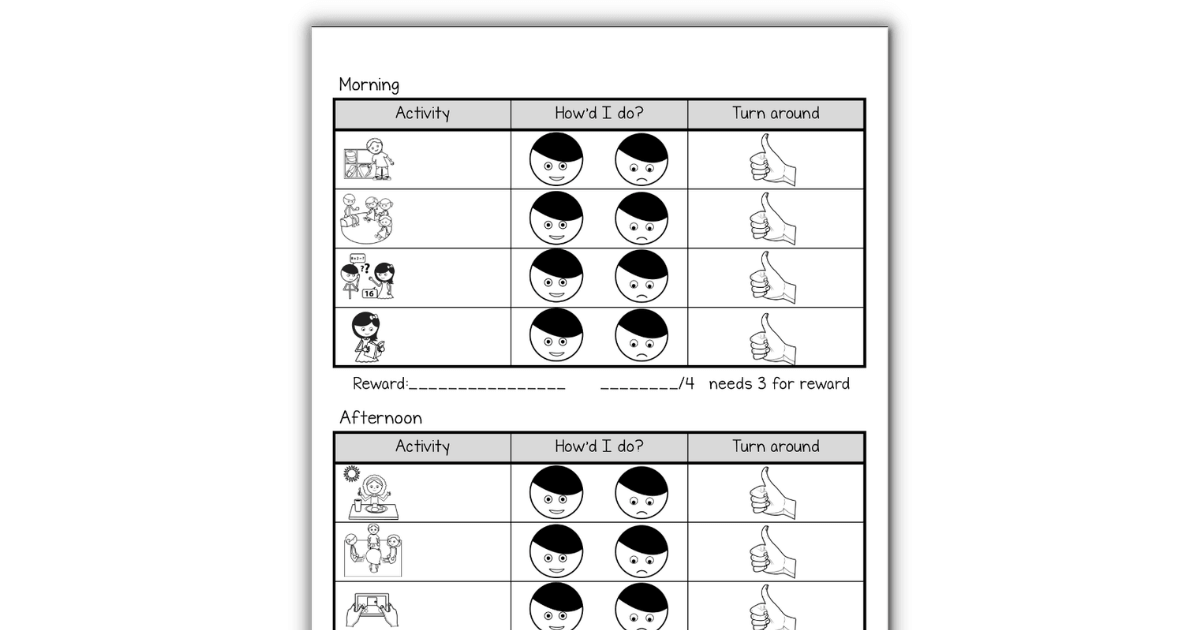
The ability to customize goals makes it easier to provide meaningful support instead of forcing students into a one-size-fits-all system.
You can grab my editable contract and charts here.
Behavior charts aren’t magic. They won’t eliminate every challenging behavior, solve every classroom management issue, or instantly create a perfect classroom.
But they can be powerful tools to have in your practice.
Behavior charts provide structure, clarity, and encouragement. They help students understand expectations, monitor their progress, and experience success.
It’s important to remember that the most effective behavior charts focus on positive reinforcement, clear expectations, and skill-building rather than punishment.
At the end of the day, our goal isn’t simply to stop bad behavior.
Our goal is to help students develop good habits and build the skills they’ll need for life after they leave our classrooms.
Hopefully you’ve learned how to implement behavior charts in your classroom in a way that feels supportive!