Easy Tips for Managing Challenging Student Behavior
If you’ve been teaching for any length of time, you’ve probably experienced that moment. Or maybe a few of those moments.
A student throws a chair. Another runs out of the classroom. And someone starts screaming in the middle of your lesson. I’ve had my fair share of these moments, let me tell you!
But sometimes the behavior is quieter than that. A student refuses to work, shuts down completely, or argues with every direction you give.

OVERLOADED caseload? No idea how you are going to manage it all? This Summit is for you.

calling all SPED Teachers
OVERLOADED caseload? No idea how you are going to manage it all? This Summit is for you.
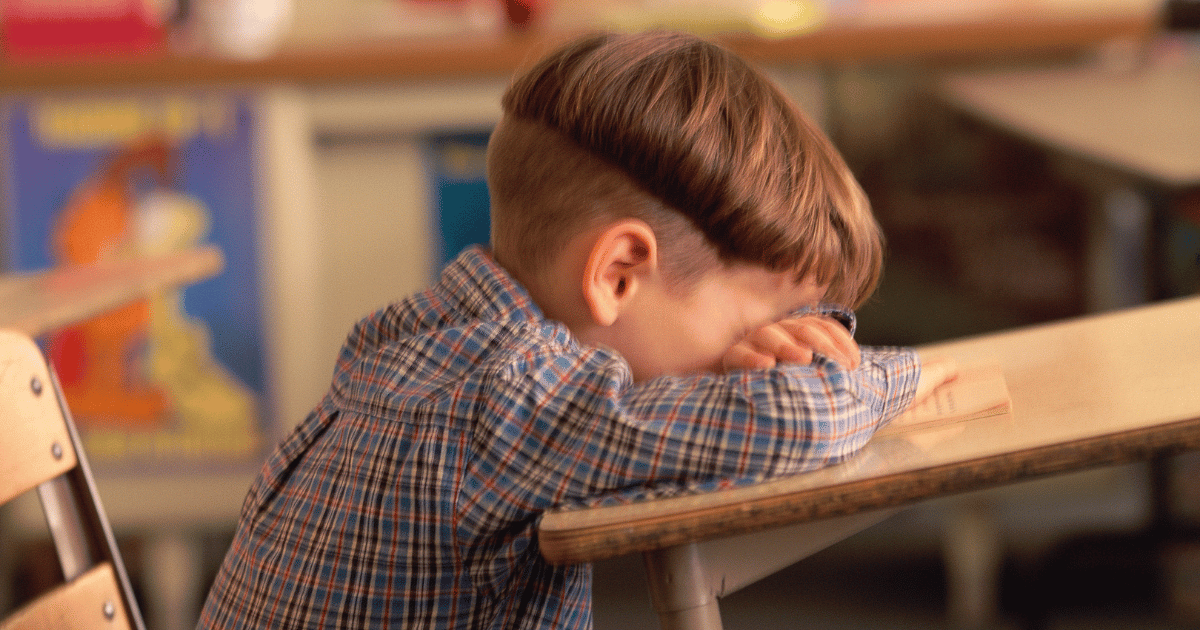
No matter what it looks like, one thing is usually true: Your heart starts racing and your whole body tenses up. You’re bracing for more, deeper, and possibly violent responses. In those moments, it’s easy to feel like everyone is looking at you, waiting to see what you’re going to do next. And it can also feel like you’re being judged in how you handle the situation.
When it comes to managing challenging behavior, I spend a lot of time (most of the time) talking about prevention. We talk about routines, classroom expectations, positive reinforcement, visual supports, and building relationships. Those things absolutely matter, and they should always be your first line of defense.
But today, I want to talk about something a little different… I want to talk about what happens when those preventative strategies aren’t enough. Because the truth is, sometimes they’re not.
What do you do when a student is already escalated? How do you respond in a way that protects everyone involved while helping the student eventually learn from the situation?
Let’s dive in…
Your Nervous System Comes First
I know that probably sounds backwards. You may be thinking ‘wait we’re talking about me here?’. Yes, yes we are. When you’ve got students yelling and displaying disruptive behavior, it’s easy to just focus on them.
So why are we talking about you first? Because students borrow our nervous systems. Don’t roll your eyes, it’s true! If you’ve ever noticed a situation getting worse after an adult raised their voice or started arguing, you’ve seen this in action.
When our own stress response kicks in, we’re much more likely to react instead of respond. That’s why the first step is always checking in with yourself.
Ask yourself how am I feeling? Then try one of these:
– Take one slow breath.
– Relax your shoulders.
– Put your hand over your heart and feel your heartbeat.
– Lower your voice instead of raising it and slow your movements even if you feel like rushing.

Your calm won’t magically solve the situation, but it creates the best possible chance for the student to begin finding calm, too. Making sure that you’re consistently taking care of your nervous system before things go haywire is also just as important as doing so in the moment.
High stress moments can make an already on-edge nervous system react in even bigger ways.
Safety Is Always the Priority
Before we think about consequences, conversations, or teaching moments, we have to think about safety.
Ask yourself:
- Is the student safe?
- Is everyone else safe?
- Does the rest of the class need to move?
- Do I need additional support?
Your goal is to maintain a safe learning environment for everyone involved. Sometimes that means calmly moving other students to another part of the room and sometimes it means calling another staff member for support.
Maybe you just have to give the student more physical space. Every situation looks a little different, but the priority doesn’t changes.
This Isn’t the Time to Teach
One of the biggest mistakes we make during behavioral crises is trying to teach in the middle of the storm. We tend to over explain, give tons of reminders, lecture about the rules, and ask a ton of questions. It is in our nature as teachers to want to talk, teach, and help find a solution but trust me- now is not the time.
But when a child is highly dysregulated, the thinking part of their brain isn’t driving the bus anymore. Their survival brain is officially in the drivers seat. That means they’re not available for learning. The first step is always regulating their body. The only goal in these moments is to be sure the student is calm again.
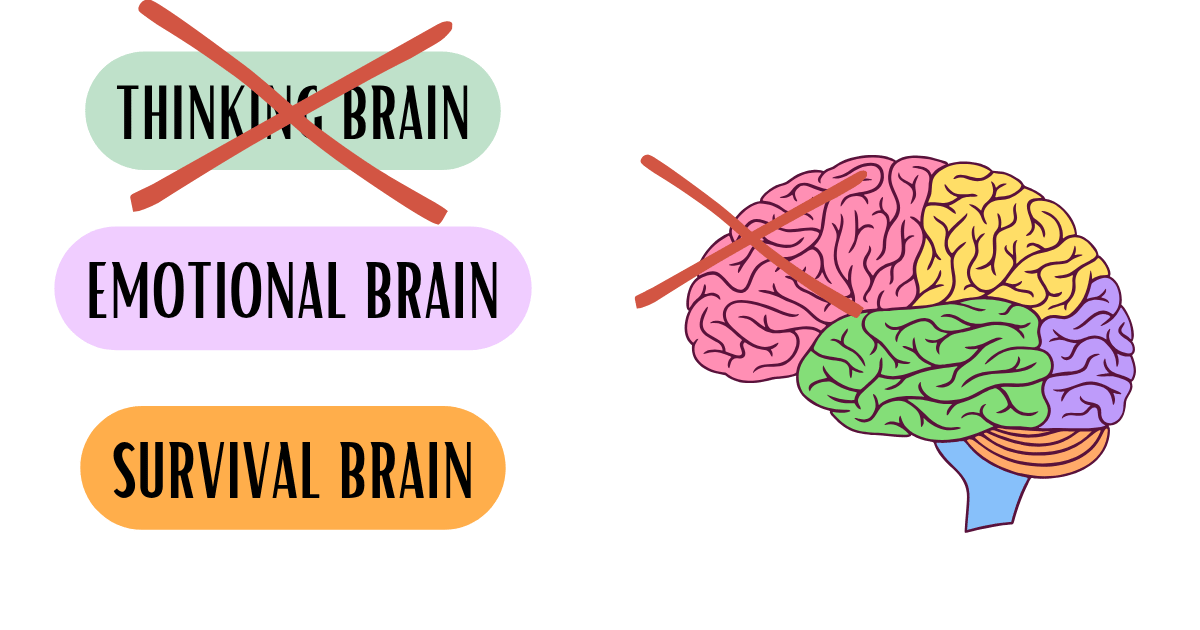
Trying to explain why their choices were inappropriate in that moment is a little like trying to teach algebra during a fire drill. It’s kind of ridiculous and impossible. The conversation will be much more productive once everyone has returned to baseline. (don’t worry scroll down a bit and we will talk about having that conversation)
Behavior has Meaning
This is one of the most important mindset shifts you can make as a classroom teacher. I know I say it all the time, but a student’s behavior is almost always a form of communication. You always hear that behavior is communication, but sometimes then we focus on ‘what are they trying to say.’ When instead saying behavior has meaning can help us dive deeper than just communicating.
That doesn’t mean disrespectful and disruptive behavior is acceptable or something we just tolerate. But it does mean every behavior is telling us something and we should be listening closely.

Sometimes behavior tells us:
“I’m overwhelmed.”
“I don’t know how to do this task.”
“I’m anxious.”
“I’m embarrassed.”
“I don’t have the words for what I’m feeling.”
Student’s challenging behaviors can also be influenced by tons factors outside of school.
Things like:
- Changes in their home
- Trauma histories
- Mental health concerns
- Medical problems
- Lack of sleep
- Anxiety
As educators, we don’t always know the whole story. When you are faced with a difficult behavior, I always like to say get curious not furious.
Instead of asking,
“How do I stop this?”
Try asking,
“What might this be trying to tell me?”
Don’t Turn It Into a Power Struggle
When emotions are running high, it’s easy to unintentionally create power struggles. We’ve all been there. The student refuses and we tell them the direction again. They push harder and we push back. Before long, nobody is focused on the original issue anymore. We’re just stuck in a loop.
So how do we avoid power struggles?
– Offer choices when possible and try to use calm language.
– Keep your expectations consistent without escalating your tone.
– Sometimes the most effective response is truly saying nothing.
– Remind yourself the hard truth: We are the adult, we don’t have to “win.”
What the children need is someone who can stay steady for them, not gloat that they beat a child in a power struggle.

Wait for Baseline Before Having the Conversation
This is one of the biggest lessons I learned as a special education teacher. Don’t process behavior while the child is still emotionally flooded. Give it a minute (or 20) Wait until the child is in their thinking brain again.
That’s their baseline and that baseline is where the real learning actually happens.
Once everyone is calm, you can begin asking questions like:
“What happened?”
“What were you feeling?”
“What did your body feel like?”
“What can we try next time?”
Those conversations build awareness instead of shame. We have to avoid compounding shame when children have really difficult times.
We want children to learn from their behavior, not internalize it and identify as the bad behavior.
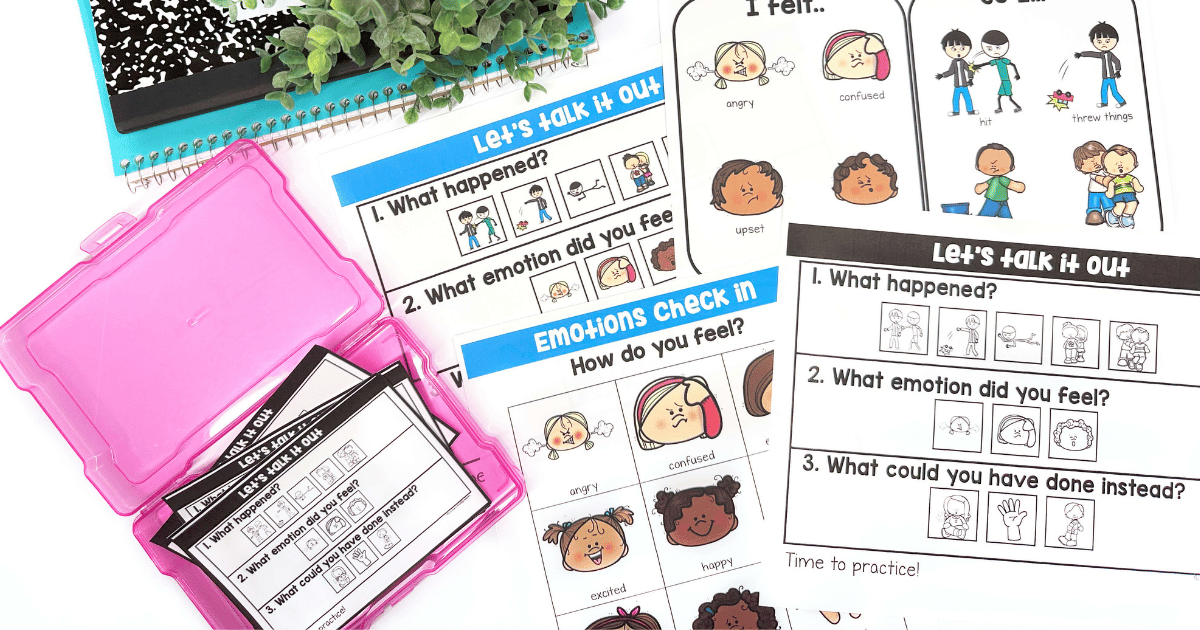
These conversations can be TOUGH to have. Many times kids feel embarrassed or don’t want to talk about it. Using a tool where kids don’t have to verbally respond can get you to still have the conversation without putting that pressure on them.
These thinking sheets are the perfect tool for it and work with so many students.
Teach the Skill That’s Missing
This is a huge piece that we needs to be apart of any behavior plan, but many times gets forgotten about. Children don’t usually exhibit challenging behavior because they enjoy making life difficult. When you really look, they’re usually missing some skin.
That missing skill could be a lack in understanding emotional regulation, problem solving, communication, or a social skill. Every challenging behavior gives us an opportunity to teach a replacement behavior.
Instead of only saying, “Don’t throw your pencil,” teach them to think, “What can I do instead when I’m frustrated?”
That’s a new skill, and just like reading or math, they need to be taught, practiced, and reinforced over time.
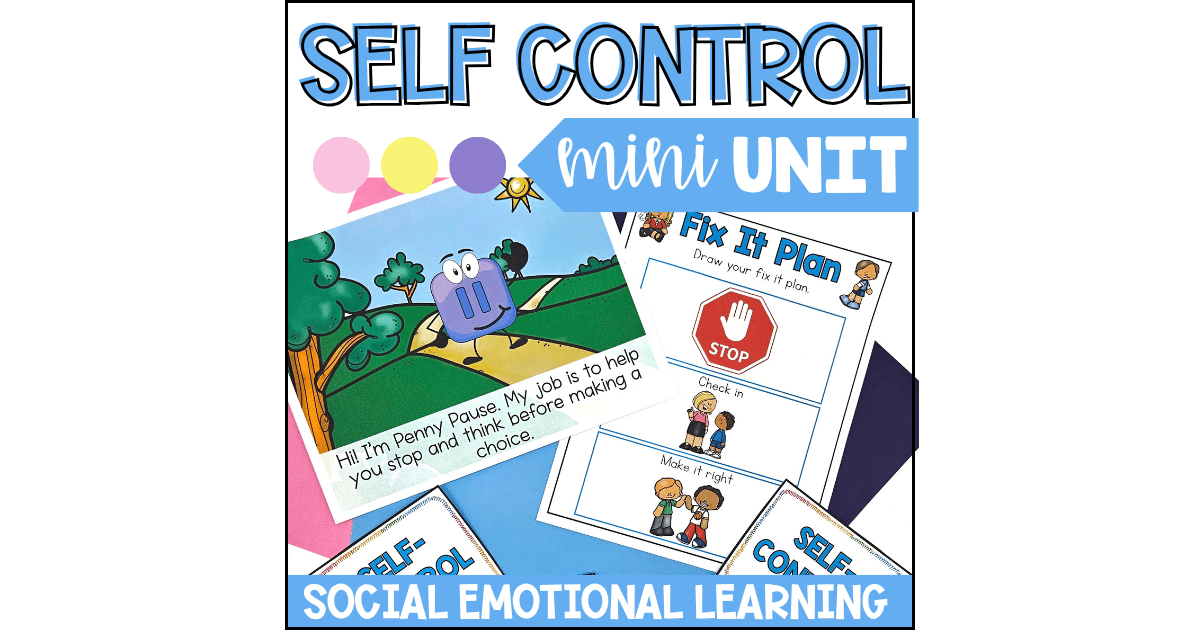
Most of the time these can be done proactively (yes this is all about when kids are reactive but I wouldn’t be helping you if I didn’t tell you about tools that could support your classroom). SEL mini units can be a great addition to your classroom if you want to tackle these skills proactively.
Protect the Relationship
One difficult moment should never define your relationship with a student. This might be hard, but you can build this muscle when you go back to the skills students need. Children with difficult behaviors feel rejected often and they can be challenging you to do exactly that with their behavior. Don’t be the person that proves them right.
You’re allowed to correct the behavior, to hold them to a high standard but also be the person that stays and goes deeper with them instead of running away. Be the person who looks at this as an opportunity to be the person that gives them a feeling of safety even when they can’t hold it all together.
That positive relationship becomes the foundation for every future intervention.
Ask Yourself What Needs to Change Tomorrow
Once the situation has passed, don’t just move on and hope it doesn’t happen again or worse, just give up and expect it to without trying to intervene.
Reflect on the situation with an open-heart and open-mind.
Here are some things to ask yourself:
- Were my classroom expectations clear?
- Did the student understand the task?
- Was the work too difficult?
- Was there enough movement built into the day?
- Did something happen during morning meeting?
- Were transitions too long?
- Did I notice warning signs before the behavior escalated?
Sometimes the next step isn’t changing the consequence. It can be about finding a pattern and seeing what needs to change in the environment (remember the environment includes you too).
The student may need:
- A visual schedule
- More movement breaks
- A quieter workspace
- A one-on-one check in each morning
- Small groups for instruction
- Social stories
- More opportunities to practice social skills
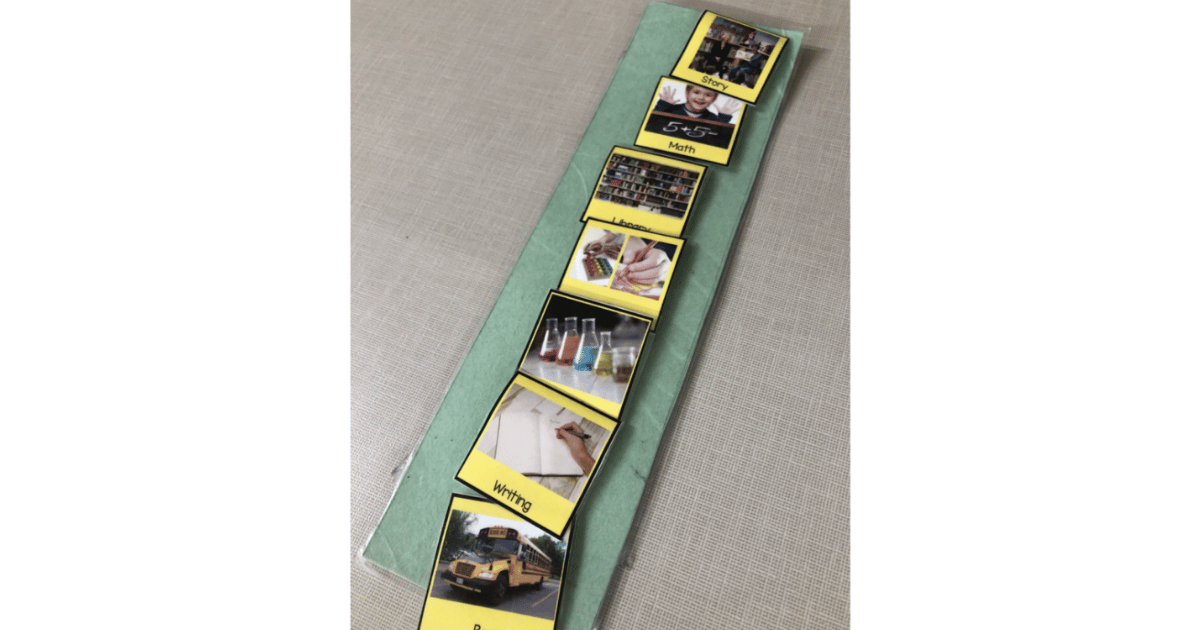
Those changes may prevent the next crisis before it happens.
Remember That Behavior Change Takes Time
One of the hardest parts of supporting struggling learners with disruptive behavior is remembering that growth doesn’t happen overnight.
A student who spent today screaming for twenty minutes may now calm down in ten minutes. That’s progress you should celebrate!
The student who used to throw classroom materials might decide to finally accept that break you offer them. Keep celebrating the small things!
Behavior change isn’t a perfectionists game. So, make sure that you remember to always be looking for the growth, not the perfection. As educators, we have a unique role to play for the students struggling the most. But we can only make progress when we shift our mindset, take care of ourselves first, and maintain a strong behavior toolbox.
Working in a classroom has changed over the years and it’s true that there are more behavioral challenges today than there were 30 years ago. The way we operate in the classroom needs to change because of this. We need to look at learning differently and support the core behavioral shifts that need to happen to support these students in the best ways.
Safety first, nervous system regulation, and understanding the reason behind the behavior are all strategies that will get you the success you’re looking for.
I hope this blog inspires you to go into your classroom with hope and an open-heart to working with challenging behavior.