20 Engaging Summer Activities for Elementary Students
Summer school can look very different from the regular school year, and we love that! Extended school year used to be my favorite time to teach during the year. During the summer months, we have a unique opportunity to mix academics with creativity, exploration, and more play! This helps lessons feel a little lighter, more interactive, and helps students stay engaged while continuing to build important skills.
The best summer school activities for elementary students are both fun with a heavy dose of meaningful learning. Instead of traditional worksheets and long lessons, summer learning works best when students are moving, creating, collaborating, and exploring new ideas.
Whether you’re planning a full ESY program, leading individual summer school classes, or supporting summer camps, these fun summer school class ideas can help prevent the dreaded summer slide while making learning an enjoyable experience for everyone!

OVERLOADED caseload? No idea how you are going to manage it all? This Summit is for you.

calling all SPED Teachers
OVERLOADED caseload? No idea how you are going to manage it all? This Summit is for you.

Why Summer Learning Still Matters
Long breaks from structured learning and typical “school,” can sometimes lead to what we call the, ‘summer slide.’ This is when students lose some of the academic progress they made during the school year. Reading comprehension, writing skills, and math skills are typically the areas most affected during the summer break.
That’s why many schools offer summer programs designed to reinforce learning in engaging ways for their most at-risk students. The goal is not to recreate a traditional classroom environment but to provide educational activities that keep students actively using the skills they’ve acquired throughout the year. The emphasis is on retention of skills-not on learning new skills.
We want to maintain what students have worked hard for during the school year while allowing them to enjoy summer fun.
Great summer learning activities should:
- Reinforce reading, writing, and math skills
- Encourage social skills and teamwork
- Include hands-on learning opportunities
- Challenge students through problem-solving skills and critical thinking
- Create a relaxed environment where students feel comfortable exploring new things
When activities are interactive and playful, students are much more likely to stay engaged and continue learning throughout the summer.
Below you’ll find a list of my favorite activities to use with your students during the summer. I hope this list helps make summer planning a breeze!
20 Engaging Summer Activities for Elementary Students
These fun summer school activities can help create a balanced ESY program that blends learning, creativity, and some exploration.
1. Outdoor Reading Picnic
A reading picnic is a super fun way to combine literacy with getting kids outside for some fresh summer air. Bring blankets outside to the playground/recess area and let students enjoy quiet reading time outside.
Students can read picture books, explore new books, or share their favorite books with their friends.
You could also check out your local library or public library to see if they are offering a summer reading challenge. Many libraries offer special programs during the summer months that encourage students to track their reading and explore different genres.
This simple activity can turn reading into students’ favorite time of the day while still supporting literacy growth.
2. Nature Scavenger Hunt
A scavenger hunt is one of the most popular hands-on activities for summer learning. If you take one look at Pinterest, you’ll find a ton of ideas!
If you can swing a field trip, it would be amazing to take students out to local parks or nature reserves. But, even the school playground could be a great place for this.
Students can search for items like:
- A leaf with different colors
- The brightest object they can find
- A small rock
- Something that shows an interesting pattern
Students record their findings in a nature journal, can draw pictures or write interesting facts about what they discover.
This hands-on learning activity encourages observation, curiosity, and critical thinking while helping students appreciate nature.
3. Structured ESY Math and ELA Practice
For teachers running summer school classes or ESY programs, having structured academic practice can make planning much easier. You don’t want to have to wing it everyday in the summer!
A resource like my Extended School Year ESY Math & ELA Summer School Curriculum is a great resource for reinforcing academic skills while still keeping learning manageable.
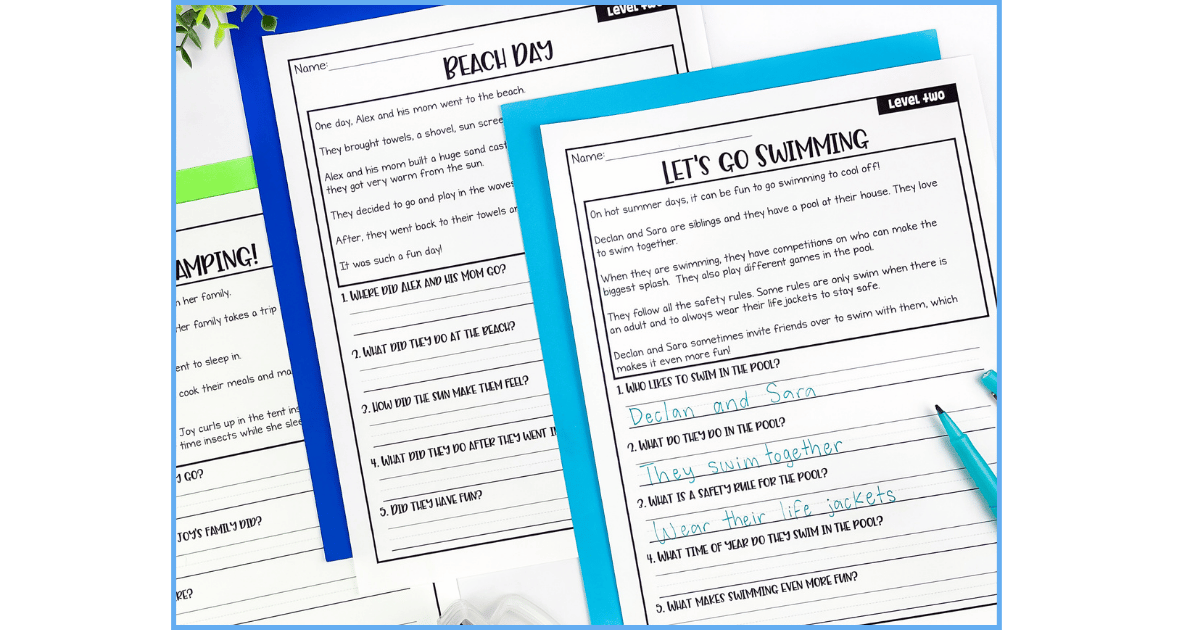
This ESY curriculum will help you:
- Practice math problems in a consistent format
- Reinforce reading comprehension
- Strengthen the ability to identify a main idea sentence
- Support writing skills and math skills in a structured way
- Plus, it’s all themed for summer to keep students engaged!
Using organized materials during summer programs helps prevent the summer slide while still allowing time for creative and outdoor learning activities.
4. Math Relay Race
Want to turn math practice into a game? A relay race is such a great idea to do just that.
Divide students into teams and place math problems on white boards or at stations around the room. Students solve one problem before running back to tag the next teammate.
This friendly competition encourages teamwork and strengthens math skills while keeping students active.
Math relay races work really well for older students, but younger learners can also participate using simple addition, number recognition, or counting problems.
5. Summer Writing Journal
Have your students keep a personal summer journal! This is a fantastic way to strengthen writing skills during the summer break and they don’t have to be elaborate or focused on big trips.
Students can use their journal to write about:
- Their summer days
- Their favorite summer activities
- A short story they invent
- A list of interesting facts they learned
- What they found on their scavenger hunts
For non-writers, drawing comic-style pages or creating comic strips is a great way to use the journal concept. This approach supports creativity and makes writing feel less like an assignment and more personal.
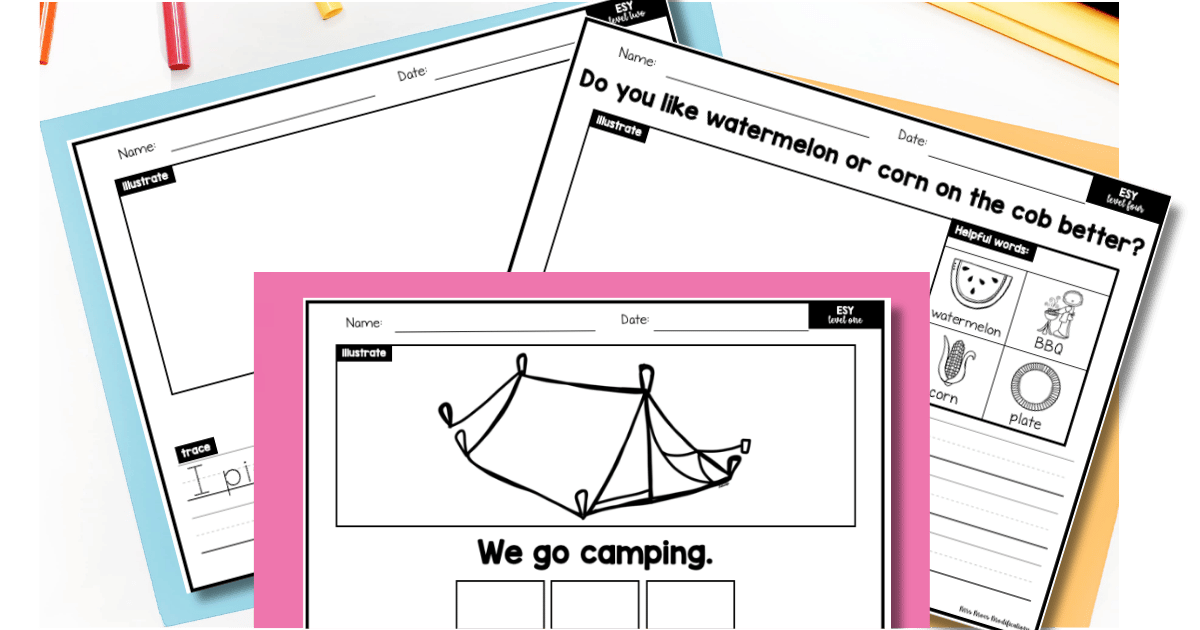
You can leave this journal open ended, or you can check out this ESY Writing notebook for some prompts and differentiated options.
6. Ice Cream Math Games
Nothing says summer fun like ice cream (at least to me!).
Students can create paper ice cream cones labeled with numbers. Then they stack scoops to represent math problems.
This activity helps younger students visualize math problems while strengthening fine motor skills and hand-eye coordination.
7. Classroom Talent Show
Hosting a classroom talent is a really fun way to build social skills and boost confidence.
Students might:
- Tell jokes
- Share a drawing
- Perform a short dance
- Demonstrate a new game they invented
Talent shows give students a chance to express themselves, showcase what they’re good at aside from academics and help in building communication skills. You can do this every Friday for 20 mins or have an end of ESY party talent show!
8. Nature Art Projects
Bring art and science together by asking students to create artwork using items they find outside.
Students might collect:
- Leaves
- Flowers
- Small sticks
- Smooth stones
They can use these materials to create collages, patterns, or designs. Nature art is a hands-on activity that can be tied into a read aloud, science lesson, or simply as a standalone art project.
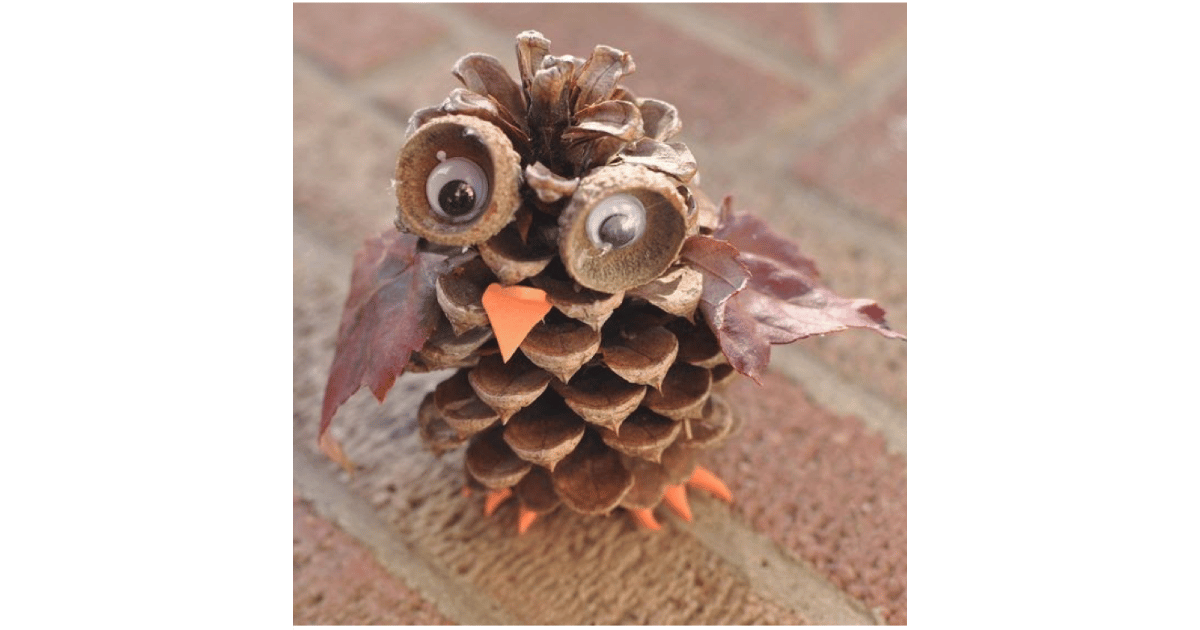
This resource from Williams College has tons of ideas and projects just from things you find in nature!
9. Simple Science Experiments
Summer school is the perfect time to introduce simple science experiments that really get students curious.
Students can explore:
- Chemical reactions using baking soda and vinegar
- Sink-or-float experiments
- Magnet exploration
This list is where I always go to to get ideas- they are so creative and there is over 70!
You can introduce the scientific method by asking students to make predictions before each experiment and track them in a science journal.
These hands-on activities build problem-solving skills and critical thinking while keeping students engaged….because everyone loves a science fair volcano, right?
10. Virtual Field Trips
Not every field trip has to involve leaving the classroom.
Thanks to the Covid days, there are more opportunities than ever to take students on virtual learning tours.
Virtual field trips allow students to explore incredible locations around the world:
- A national park
- Deep ocean habitats
- Historical landmarks
- Animal habitats
PBS has rounded up a whole bunch for you to go on!
Students can discuss what they learn during morning meeting or write reflections in their journals.
11. Differentiated Writing Notebook
Supporting writing during summer school is important, especially for students who benefit from additional practice.
A Differentiated Writing Notebook designed for ESY or summer programs provides structured prompts that help students practice writing skills in realistic ways.
Students might:
- Write about their favorite summer activities
- Create imaginative short story prompts
- Reflect on their favorite moments of the week
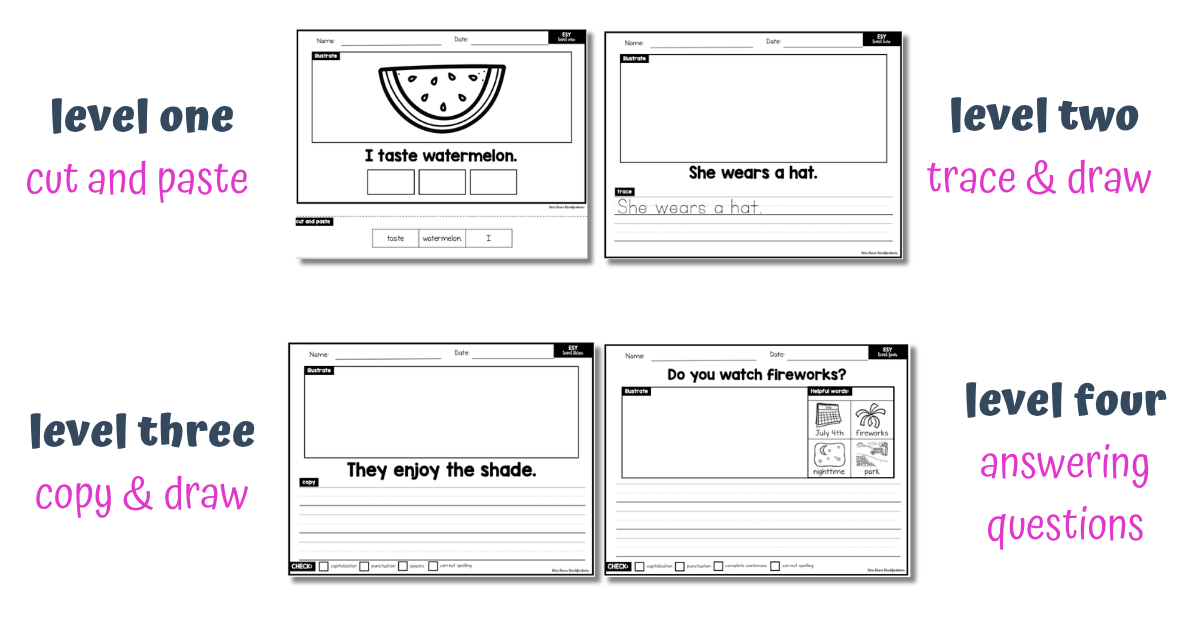
Differentiated writing resources help you challenge students at multiple skill levels while building the confidence we want to see in our students. Check out my favorite writing notebook here!
12. Build-a-City STEM Challenge
A STEM building challenge is one of the most exciting hands-on learning experiences for students.
Using recycled materials, magnetic tiles, or any other material you can think of, have students work in teams to design a mini city.
They can build roads, parks, and buildings while thinking about how communities work together.
This activity develops teamwork, creativity, and problem-solving skills while hooking students in!
Little Sunshine’s Playhouse gives you more details here.
13. Puzzle and Brain Teaser Stations
Set up stations with puzzles, riddles, and logic games that encourage critical thinking while giving our natural jokesters a fun thing to do everyday.
Students can rotate through stations solving problems individually or do this work in small groups.
14. Movement Brain Breaks
Elementary students have a lot of energy during the school year, but possibly even more during the summer months!
Short movement breaks such as charades, freeze dance, or stretching activities help students stay focused throughout the day.
These quick breaks are also a great way to reset before moving on to the next activity.
I do love me some GoNoodle, just be sure to not always default to videos and dancing- check with your OT and PT for even better regulation breaks!
15. Beach Week Learning Activities
Adding a summer theme to lessons can transform ordinary learning into something exciting. Everything is better with a theme, don’t you think?
My Beach Week Activities Bundle designed for ESY programs include beach-themed math, reading, and writing activities.
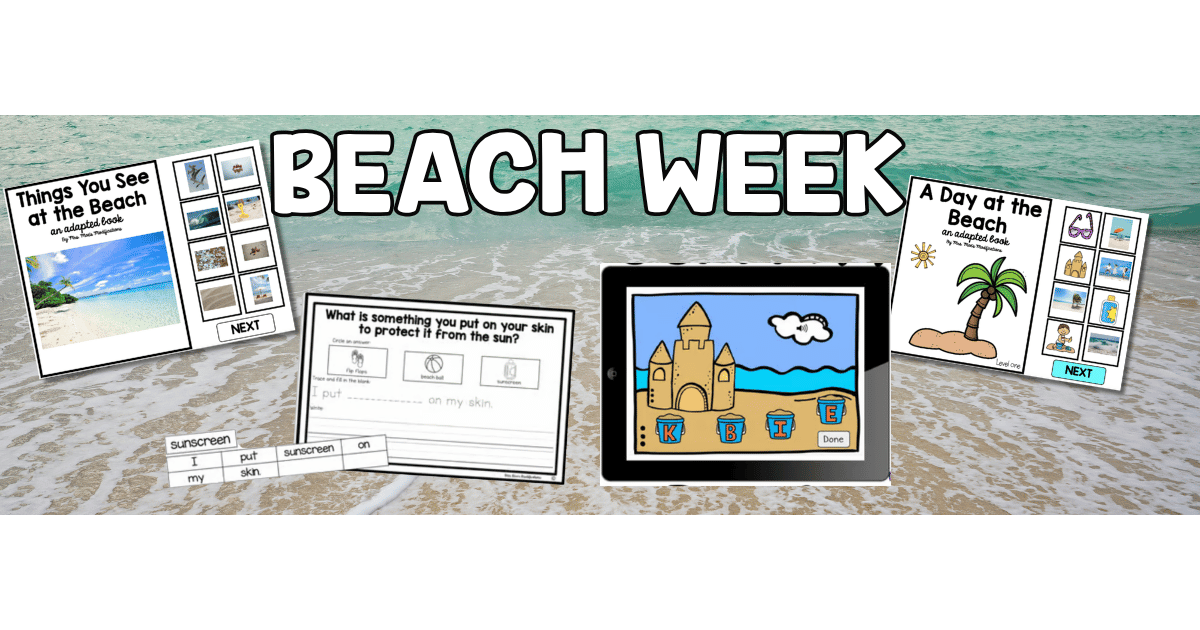
Some of the activities included are: Matching Beach Vocabulary, Things You See at the Beach Adapted Book, and Yes/ No Questions.
Themed weeks help keep summer school fun while still getting in those academic skills.
16. Summer Book Club
Start a small classroom book club where students read and discuss the same story.
Students can share the main idea sentence, talk about their favorite characters, and compare different opinions.
Book clubs build reading comprehension and strengthen discussion skills. Plus, they can any style of book!
17. Sidewalk Chalk Storytelling
Take writing outside by using sidewalk chalk to create collaborative stories.
Students can draw scenes and add sentences to build a story together or retell one you’ve read to them. Each student adds one new part to the story.
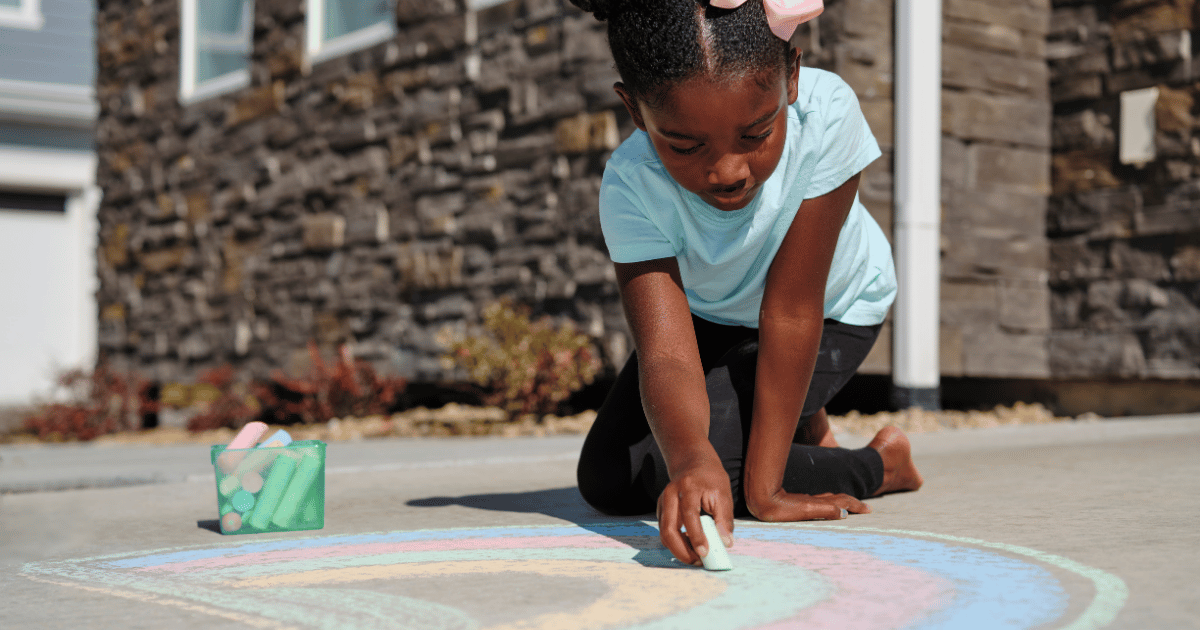
This activity blends art and literacy in a really unique way.
Click here for more detailed steps on how to do it!
18. Board Game Learning Stations
Yes, classic board games can be used to reinforce academic skills, really!
Students can play games that encourage:
- Counting
- Strategy
- Turn-taking
- Problem solving
Games like these also help students build patience and social skills, which we’re always looking to foster.
19. Local History Exploration
If possible, try to take students on a virtual or real exploration of historical sites, local museums, or community landmarks.
Summer should be a time of exploring. Students can research important facts and share their discoveries with the class.
Learning about local history helps students develop curiosity about their community and deepens understanding in a meaningful way.
20. Weekly Reflection and Goal Setting
Reflection helps students recognize their progress and as students get older, this is such an important skill they should learn.
At the end of the summer, or even at the end of each week, students can write about:
- What they learned
- Their favorite activity
- What they want to try next
- How they felt during the week
This reflection activity helps students stay motivated and develop deeper self-awareness around learning, but also themselves.
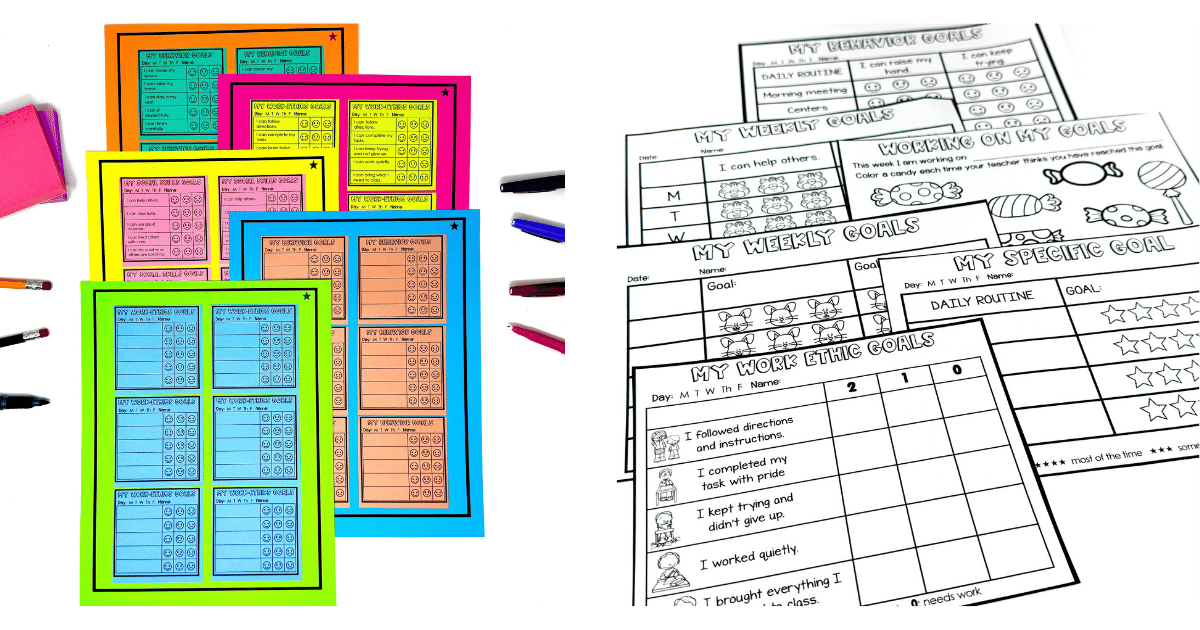
If you need a tool for goal setting, check this one out here.
The goal of summer school isn’t just to repeat the regular school year. Instead, we should try to create an environment that blends learning with creativity, movement, and exploration.
When we incorporating fun summer school activities, students strengthen math skills, writing skills, and social skills while enjoying the relaxed pace of summer.
With the right balance of structure, play and fun, students can develop new interests, explore new ideas, and build confidence. I hope these activities help you plan a meaningful and exciting summer school experience for you and your students!