Trauma Informed Teaching Strategies for the Classroom
If you’ve been in a classroom longer than five minutes, you already know this: Kids don’t walk through the door empty.
They walk in carrying their mornings, their home lives, their stress, their fears, their excitement, and sometimes…a traumatic event.
And the truth is, trauma is more common than we think.

OVERLOADED caseload? No idea how you are going to manage it all? This Summit is for you.

calling all SPED Teachers
OVERLOADED caseload? No idea how you are going to manage it all? This Summit is for you.
But before you panic and think, “I’m not trained for this,” let me assure you: trauma-informed practices aren’t a special program.
They aren’t therapy.
They aren’t another binder on your desk you likely won’t even open.
These are just really good teaching strategies rooted in connection, predictability, and kindness to create a safe space and supportive environment for all students.
And the beautiful thing?
You’re probably already doing pieces of it.
In this blog post, I’m breaking down trauma-informed strategies that actually work in real classrooms.
But hey I get it if you would rather me just teach it to you click below to get a workshop that dives into how to create a trauma informed classroom.
Start With Relationship: Human Connection Is Healing
If there’s one thing trauma interrupts, it’s a child’s sense of safety. And the fastest, most powerful way to restore it?
Building relationships.
I know I say it all the time, but kids need attuned adults who see them, who check in, and who can read the room and say, “Hey, you seem off today, but I’m really glad you’re here.”
That is trauma-informed teaching. Really. (Told you you were already doing it.)
A few simple relationship practices go a long way toward a trauma informed approach:
- Greet students by name with genuine warmth
- Slow down the pace
- Notice small things (a new haircut, a cool shirt, a quiet mood)
- Celebrate effort, not perfection
- Offer connection before correction
And one of the BEST trauma-informed strategies?
Daily check-ins.
A daily check-in gives every student a voice before the day takes over aka reduce power struggles before they even start.
It helps them share emotions they might not have the words for yet.
It lets you catch things early like the initial signs of dysregulation, sadness, avoidance, anxiety, etc before they show up as behaviors.
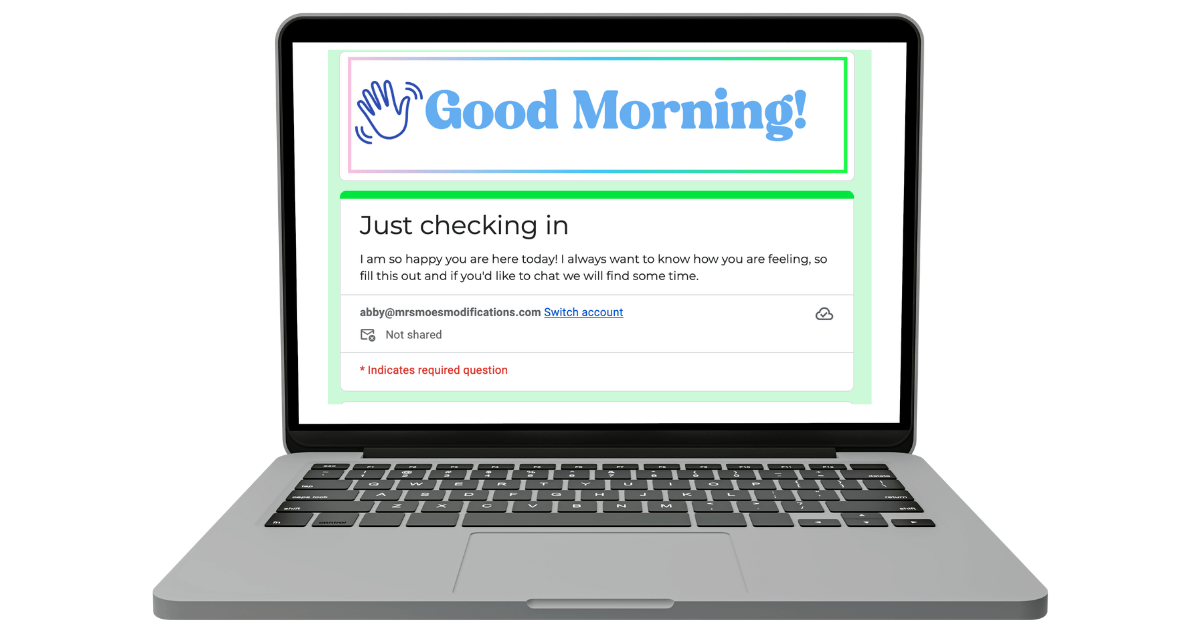
If you want a ready-to-go support, the Digital Daily Check-In (Google Forms, editable) is one you can set up and use immediately. Students tap how they feel, you get the data, and no one has to guess what’s going on under the surface. You get to to see the needs of students before the bell and can create some small changes to their day as needed.
Remember, we’re all about building a safe environment for these students. And you may not know who has had a traumatic experiences or is acting from trauma responses. So, it’s important to layer additional support in for all students. This makes a huge difference in the way your classroom is structured and student behavior as a whole.
Relationships build safety.
Safety builds regulation.
Regulation builds learning.
And they all come from connection.
Build Predictability Through Routine + Structure
Trauma creates chaos inside a child’s nervous system. Disruptive behaviors aren’t fun to deal with, but what students are feeling is even worse. These behaviors are hard to deal with in educational settings, but creating a strong routine is one way to help support the signs of trauma.
Your classroom structure brings chaos down. When you create a supportive learning environment through routine, your students will have better academic success and have their emotional needs met, as well.
Predictability isn’t boring, by the way-it’s regulating. It’s the one thing kids can count on that gives them the boundaries they need to be successful in the school environment.
Students feel safest when they can:
- anticipate what’s coming
- understand routines and what’s expected of them
- know what transitions look like
- trust that the adults will be consistent
A predictable classroom might include:
- Visual schedules
- Clear transitions
- Step by step routines for the entire day
- The same cues (“1-2-3 eyes on me,” chimes, hand signals, countdowns)
- Previewing any unexpected changes ahead of time
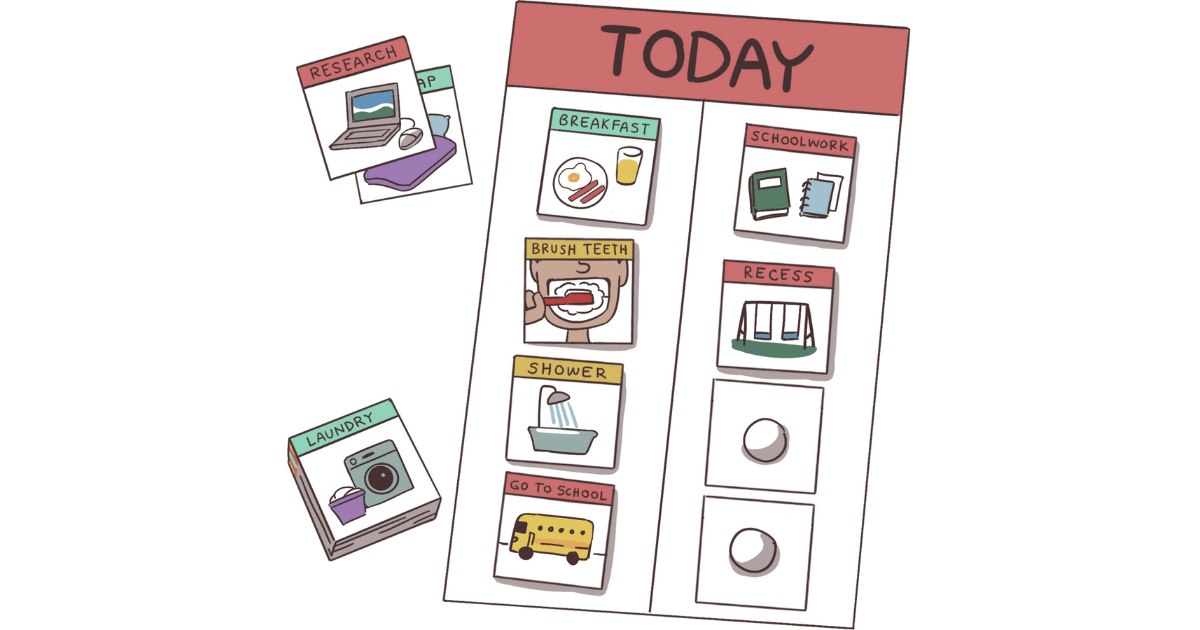
When routines shift or something unexpected pops up? Tell them straight up: “Hey, our schedule is different today. You’re safe. I’ll walk us through it.”
For a child with trauma and adverse childhood experiences, uncertainty can trigger the stress response instantly.
Predictability calms that system so learning becomes possible again.
Create a Regulating Environment: The Power of the Calm Corner
Every trauma-informed classroom needs one thing: A predictable place where kids can calm down without shame: The Calm Corner.
Now let’s be clear a calm corner is NOT simply a time-out, a punishment, a place to send a student who’s “being bad,” or on the flipside, a place for fun.
It IS:
-A regulation tool
-Reset space
-Emotionally safe zone
-Proactive strategy
For many students, trauma shows up as big emotions that hit fast-like natural disaster fast.
They don’t misbehave because they want to. They become dysregulated because their nervous system gets overwhelmed and on high-alert (even when this trigger doesn’t make sense to us).
Stock your calm corner with simple tools:
- visuals
- emotion charts
- breathing cards
- sensory options
- a small seat, mat, or pillow
- calm scripts (“I can breathe. I can ask for help. I am safe.”)

If you need visuals and supports, these resources fit perfectly into trauma-informed teaching strategies:
The key to making this work, is teaching and practicing how to use the space. Students should know when they can go, how to use it, and how to return to engaging in the lesson.
Teach Emotional Skills Explicitly Through SEL
You probably already know that trauma impacts emotional regulation, communication, problem-solving, and self-management, but here’s where you might need a reminder:
Those aren’t behaviors.
They are skills.
And those skills have to be taught explicitly with teaching methods that make sense for SEL. Teaching children how to manage their emotions helps support an appropriate emotional response in school. This instruction expands their toolbox and helps better support students with skills they desperately need.
Some of the skills you should teach:
- identifying feelings
- naming triggers
- using coping strategies
- asking for help
- flexible thinking
- self-talk skills
- conflict resolution
- boundary setting
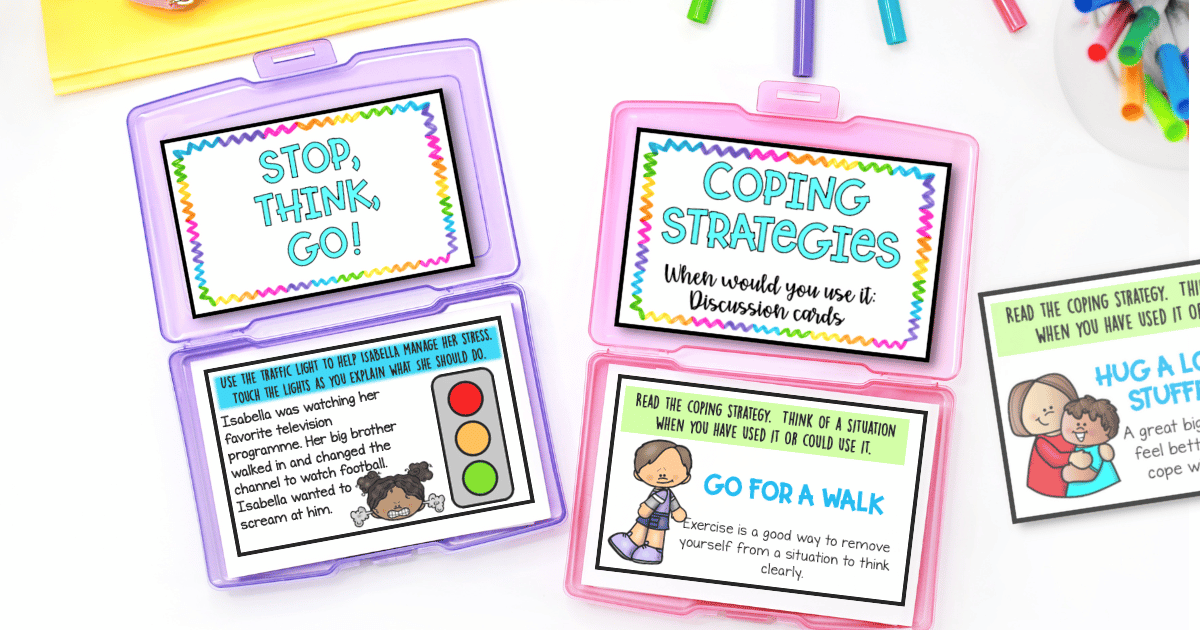
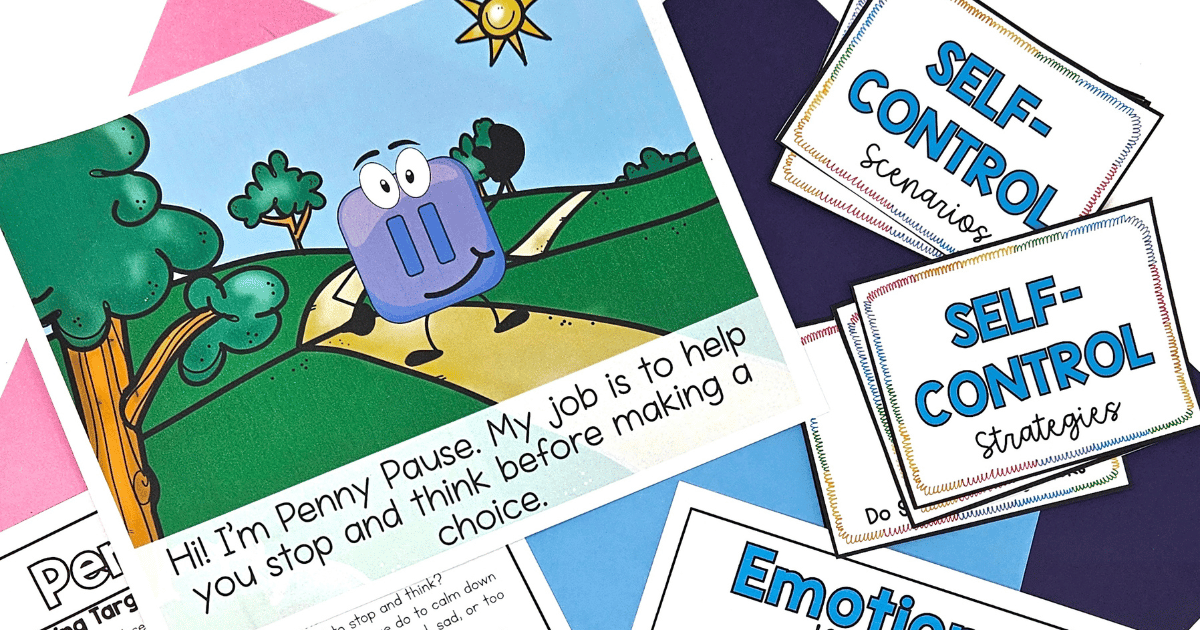
I know it feels like a lot, but if you need hands-on tools, my Self-Management SEL Task Boxes are perfect because they break emotional skills into clear, teachable pieces which is exactly what trauma-informed teaching practices are all about.
Students may naturally have a hard time automatically having that feeling of safety in the school environment, but when you teach these foundational skills and set clear expectations, you start to build in that safety.
Respond Rather Than React: Regulation Before Redirection
Here’s a hard truth for ya: You can’t teach a skill to a dysregulated brain. Really, it’s pointless to try-and you should trust me because I’ve tried it and failed!
When a child is escalated, their logical brain is offline. They can’t reason with you or even speak coherently sometimes. Your first goal is always to get them back to baseline.
Trauma-informed education is all about responding BEFORE redirecting.
Try:
- using a soft tone
- speaking more slowly
- Say, “I see you’re upset. I’m here.”
- offer choices
- co-regulate (“Let’s breathe together.”)
- validating feelings (“That was a lot. It makes sense you feel frustrated.”)
Once the child is regulated again? Then you can teach! But the effects of trauma response mean students are living with chronic stress and aren’t able to listen and learn until they are regulated.
Final Thoughts: Trauma-Informed Teaching Is Human Teaching
The truth is, you aren’t a therapist and sometimes this job can feel like you should be. But let me tell you, it is not your job to fix the trauma, to take it away, or to heal your students. However, you have a beautiful opportunity to look beyond a student’s behavior with trauma-sensitive strategies in order to give them the support they need.
You can make your classroom a place where your entire class feels safe enough to learn. And that matters a great deal more than you know.
Trauma-informed teaching isn’t really extra work, it’s just a different way to approach the work. It’s teaching in a way that honors how kids feel, how they learn, and what they need to feel safe before they can succeed.
P.S. You’re doing this every day, even when it doesn’t feel like it.