Preschool Classroom Transition Ideas
If you’ve ever tried to move a group of preschool kids from free play to circle time, you already know how quickly everything can fall apart. You might think the highly structured activities are ample time for children to go wild, but it’s actually the opposite.
The breakdown isn’t necessarily during the fun activity or during snack, either.
It’s the in-between moments. You know the ones, where we shift to the next activity. Those are the moments that test every ounce of your classroom management skills (and maybe your patience too, if I’m being honest).

OVERLOADED caseload? No idea how you are going to manage it all? This Summit is for you.

calling all SPED Teachers
OVERLOADED caseload? No idea how you are going to manage it all? This Summit is for you.
The good news? With the right transition ideas for preschool classroom routines, those chaotic moments can start to become smooth transitions that actually support learning, cohesion, and not disrupt the flow you’re building inside your classroom.
And no, you don’t need more time in your day to make it happen! You just need smarter systems. And I’m going to give you some tips.
Why Transitions Are Important in Early Childhood Classrooms
Transitions play an important role in early childhood education, especially for preschool-aged children who are still developing a sense of structure, time, and emotional regulation.
Most young children don’t have a well-developed sense of time or understand the concept of “waiting” very well. “Five minutes” means absolutely nothing to them and might as well be an hour.
So, when we suddenly ask them to stop their favorite activity and move to the next task, it can feel frustrating, confusing, and overwhelming. Because they don’t necessarily think they’ll be able to get this “thing” again anytime soon.
That’s why the transition process matters so much. Without strong transition strategies, you’ll start to see:
- Challenging behaviors
- Short attention spans that get even shorter
- Difficulty with emotional regulation
- Resistance during class transitions
But with predictable routines, visual cues, and consistent schedules, transitions become a powerful tool for:
- Building independence
- Supporting cognitive development
- Strengthening motor skills
- Creating a positive classroom environment
In other words, transitions aren’t just logistics, they’re developmental support mechanisms. Below I’m listing out 15 super easy to implement transitions you can start using in your preschool or early childhood classroom today!
15 Fun and Effective Transition Ideas for Preschool Classroom Routines
1. Use a Visual Timer
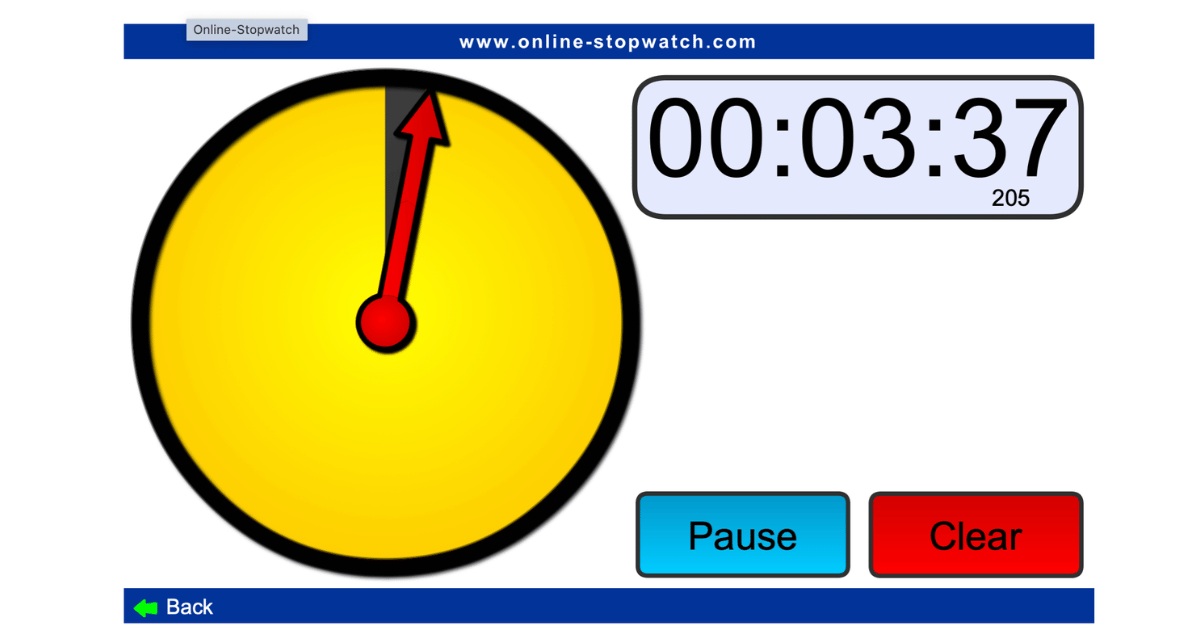
A visual timer is one of the simplest and most effective visual aids you can use.
It helps preschool children:
- Understand the concept of time
- Prepare for an upcoming transition
- Feel more in control
This is especially helpful during specific transitions like:
- Free play to clean up
- Outdoor play to indoor activities
- Centers to circle time
Here is my favorite one- and it is free!
2. Give Advanced Warnings
A five-minute warning (and even a two-minute follow-up) gives children time to mentally prepare.
Try:
- “You have 5 more minutes before we clean up”
- “Two more minutes, then we’re moving to the next activity”
Couples the warnings with a visual timer and it’ll make a huge difference in creating smooth transitions.
I know I just said saying 5 minutes may not mean much to kids, but they can learn the passage of time. Another way to give advanced warning is giving them a finite amount of times to do the activity they’re in. For example, 2 more times down the slide, or 3 more catches with the ball.
3. Use a Visual Schedule or Picture Schedule
A visual schedule or picture schedule shows children what’s coming next in their daily routine. This reduces anxiety and helps with transitions between different activities.
It’s really helpful for students with special needs or those adjusting to new environments.
Here is my favorite visual schedule pieces.
4. Turn Clean-Up Into a Time Challenge
Instead of nagging, turn it into a game.
- “Can we clean up before the timer runs out?”
- “Let’s see how fast we can get the room ready!”
It becomes a fun transition activity instead of a power struggle.
5. Use Transition Songs and Auditory Cues
A simple song or fun song can signal that it’s time to move on without raising your voice.
Examples:
But if I am totally honest, it does not even need to be a specific song about cleaning up. If you’re a T Swift lover and you have one song that is your favorite (and classroom appropriate) you can teach the kids anytime they hear that song it is time to transition!
Little kids love familiar songs! Auditory cues like a silly whistle or clapping pattern also work well. Over time, these will become your favorite transition tools and go-to’s.
6. Try Movement-Based Transitions
Preschool children need physical movement and it’s not optional.
Instead of saying “walk to the carpet,” try:
- Hop like different animals
- Stomp like dinosaurs
- Tiptoe like mice
These movement activities support motor skills and make transitions feel like play.
7. Play Freeze Dance
Freeze dance is a classic for a reason. Play music, let kids move, and when it stops…they freeze. It’s a great way to transition from high-energy to calm activities like circle time or story time.
It also gets them used to following directions- which if you’re going into a lesson, you’re going to need!
8. Use a Magic Wand (Yes, Really)
Sometimes you just need a little drama and kids eat it up!
Wave a “magic wand” and say:
“Everyone touched by the wand goes to the carpet!”
It sounds simple, but for this age group, it works. And little kids love magic.

9. Assign Classroom Jobs
Giving roles like:
- Line leader
- Door holder
- Clean-up helper
This creates ownership and reduces the “I don’t want to’s.” Kids are far more cooperative when they feel important.
Classroom jobs do double duty of building classroom community. When kids have roles and responsibilities in their classroom, they’re more likely to respect the area, space, and those in it with them.
10. Offer Choice Boards
Choice boards give children a sense of control.
Example:
“Do you want to clean up blocks or art supplies?”
You get the same outcome, but hear a lot less pushback.
Even asking, “Do you want to pick up all the yellow cars or red cars?” Once they start cleaning up, they may just get in the swing of it and pick everything up (I see this more often than not!)
I know we want them to clean it all up, but sometimes we have to go in baby steps.
11. Use Call-and-Response Cues
Quick, effective, and doesn’t require repeating yourself 12 times.
- “1, 2, 3—eyes on me!”
- “If you can hear me, clap once”
- “Marco,” “Polo”
These fun sayings grab attention fast.
12. Incorporate Short Stories or Finger Plays
A short story or fun finger play can guide children through transitions in a calm, engaging way.
Perfect for:
- Transitioning to story time
- Settling down after outdoor play
- Moving into small groups
I love to put on even an audio book from a Disney movie from Spotify. This can help kids get quiet and want to listen.

13. Use Name Cards or Popsicle Sticks
Call children one at a time using name cards or pull a popsicle stick.
This keeps transitions organized and prevents chaos.
*Caution with this one- don’t try to do this every time, because it can feel like forever to be the last kid called and for kids who struggle with waiting, it is a recipe for disaster.
14. Try a Mini Scavenger Hunt
Turn transitions into a mission:
“Find something red before you line up!”
“Find a book and bring it to the carpet!”
It adds purpose and keeps kids engaged. A word of caution, maybe save this one for when you know your students can handle it because it could get a little rowdy!
15. Use Positive Reinforcement
Notice what’s going well and call it out.
“I see friends ready for the next task.”
“Wow, that was fast clean-up!”
Positive reinforcement creates a positive way to encourage cooperation without constant correction.
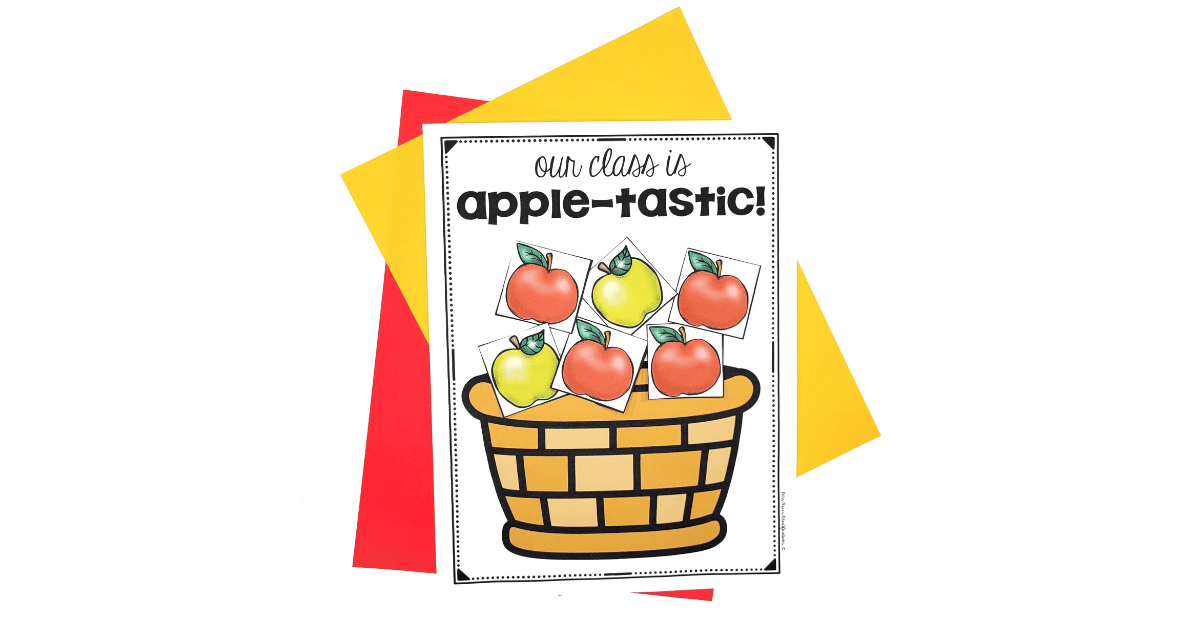
This is the perfect one to tie into a classroom wide behavior management system, like this one.
Tips and Tricks for Smooth Preschool Transitions
Even the best transition activity ideas won’t work if they’re not used consistently.
So, here’s how to make them stick:
1. Embed them into Predictable Routines
Consistent schedules help children feel safe and confident. When kids know what to expect during their preschool day, transitions become easier and more routine.
2. Keep Directions Short and Clear
During transition times, less is more. Try to avoid using long explanations because we know young children lose focus quickly and don’t understand everything we say.
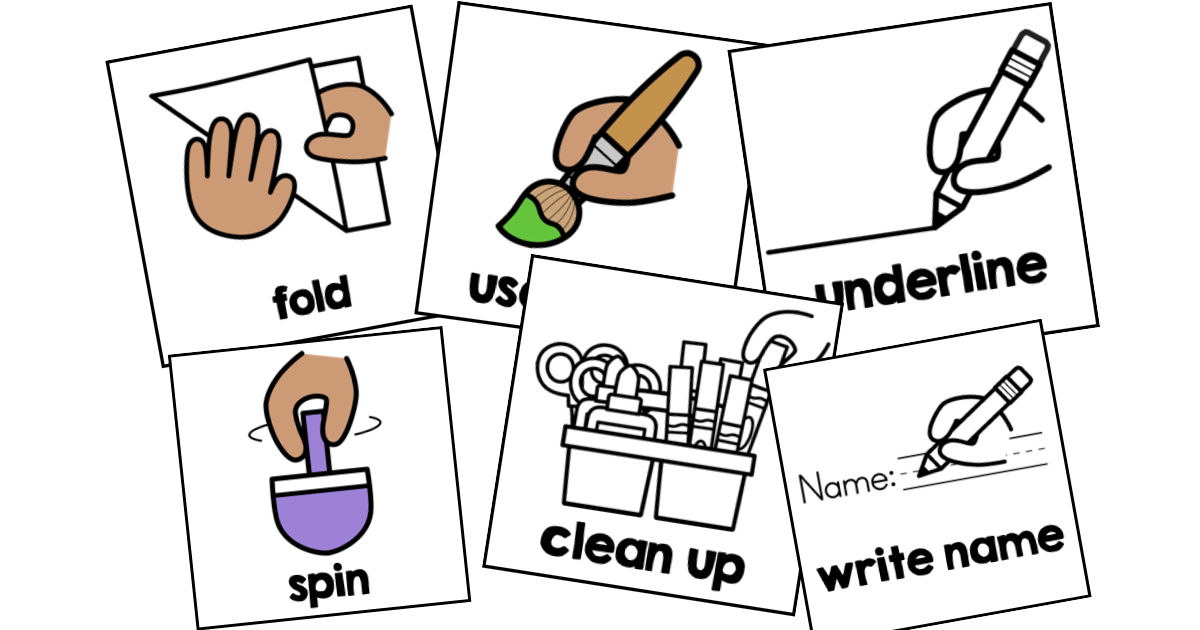
Another way to make it stick is give the directions and put visuals up that match the directions. No more repeating yourself.
3. Match the Strategy to the Age Group
Preschool-aged children need:
- Movement
- Visual aids
- Simple language
What works for a kindergarten classroom won’t always work here.
4. Practice During Calm Moments
Teach transition expectations when kids are regulated, not mid-chaos or during recess. Deal?
5. Provide Emotional Support
Transitions can be hard, especially for children adjusting to new environments or separating from trusted caregivers.
Some may benefit from:
- A transition object
- Extra reassurance
- Gentle guidance
6. Plan for High-Risk Times
Transitions like:
- Outdoor play to inside
- Free play to structured activity
- Wash hands to snack
How to Respond to Behavior During Transitions
Even with the best transition ideas specifically for a preschool classroom, behavior will still show up during transition times and that’s not a failure, it’s development.
Preschool children are being asked to stop a preferred activity, shift to the next task, manage their emotions, and follow directions all at once, which is a lot for this age group. It’s a lot for a ton of kids, actually.
The most important thing during these moments is how you respond. Staying calm and neutral, even when things aren’t going smoothly, helps prevent escalation and models emotional regulation. Instead of repeating directions or raising your voice, lean on visual cues like a visual schedule or picture schedule. Additionally, you can use auditory cues like a simple song or transition songs to signal the upcoming transition.
For children who struggle more during class transitions, breaking the task into smaller steps can make a big difference rather than asking them to clean up everything, start with one clear direction like putting away a specific item. Some transitions, like leaving outdoor play, ending a favorite activity, or shifting into quieter times like circle time or story time will naturally be harder.
So, planning ahead for extra emotional support during those moments is key. That might look like staying close, offering reassurance, or using a consistent transition strategy every time so children know what to expect. And maybe most importantly, don’t take the behavior personally!
Preschool-aged children aren’t trying to be difficult. They’re still learning how to handle change, time, and expectations. Your response during these moments teaches them how to navigate future transitions.
Over time, with consistent schedules, clear expectations, and supportive responses, those challenging behaviors decrease and smooth transitions become much more achievable. I hope these transition ideas are helpful to you as you start implementing them with your students.