Supporting Students with ADHD and Disrespectful Behavior
If you’ve ever had a student roll their eyes at you, snap back with a sharp tone, or walk away mid-direction, you know exactly how fast your brain jumps to: “Wow. That was disrespectful.” And honestly? It felt personal. It stung. You’re human. I get it.
But here’s the truth we don’t say out loud often enough:
When a student with ADHD reacts in a way that seems disrespectful, it’s almost never intentional disrespect. It’s a skill gap. A regulation issue and a brain working faster than its filter.
We’re so quick to judge a child’s behavior, but if we pause for a minute, we can get to the heart of what’s lying underneath.

OVERLOADED caseload? No idea how you are going to manage it all? This Summit is for you.

calling all SPED Teachers
OVERLOADED caseload? No idea how you are going to manage it all? This Summit is for you.
When we shift how we interpret those ADHD behaviors, everything in the classroom gets lighter and the disruptive behaviors stop.

What We Call “Disrespect” Is Often ADHD in Disguise
Let’s name the behaviors that teachers see most often: interrupting, talking over others, blurting out, arguing impulsively, refusing tasks, walking away, using a blunt tone, or reacting way bigger than the situation calls for.
It’s a greatest hits album of “rude,” “disrespectful,” and “attitude.”
But here’s the reframe that changes the dynamic is that these are executive function skills that students just don’t have.
These behaviors are driven by challenges with impulse control, frustration tolerance, emotional regulation, and working memory…not by a desire to be rude to you. Although the rude behavior is so frustrating to deal with.
A student with ADHD doesn’t wake up thinking, “Can’t wait to talk back today!”
Their brain’s pathways fire quickly, their big emotions spike fast, and their body reacts before their reasoning skills fully kick in. The behavior feels personal to us. But it’s not personal to them, it’s neurological and it can be a part of ADHD.
These behaviors can be triggered by stress of any kind, coupled with a lack of skills, and you get “bad behavior.”
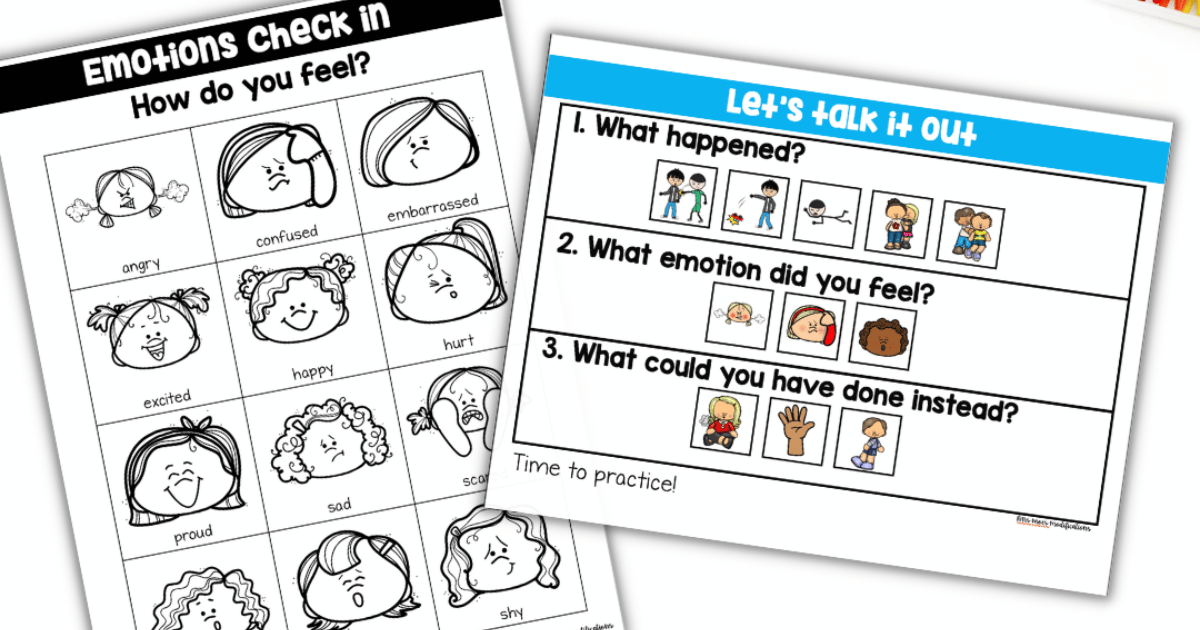
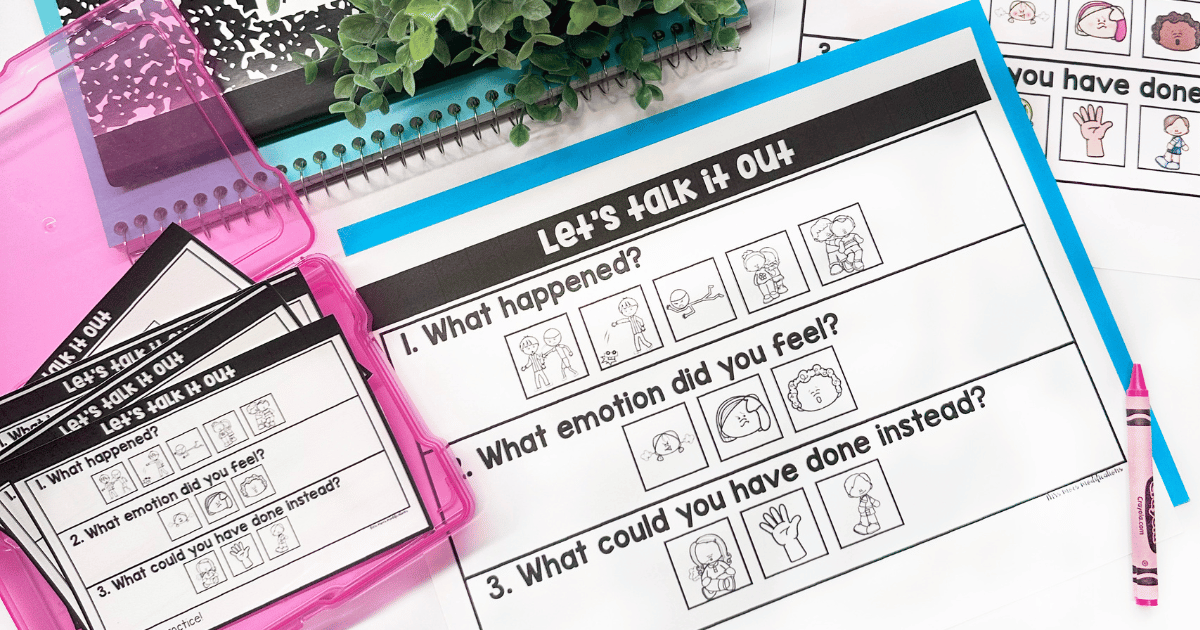
This also means just taking away recess isn’t going to stop or change the behavior. Maybe in the immediate moment, but not long term. If you want to do that, check out these talk it out sheets that help students have a restorative conversation.
When ADHD Gets Misread: Impact vs. Intent
Teachers naturally evaluate behavior by its impact: how it sounded, how it looked, how it made the room feel. But students, especially those with Attention Deficit Hyperactivity Disorder, operate based on intent.
And the intent is usually something like:
“I’m overwhelmed.”
“I forgot what I was supposed to be doing.”
“I’m frustrated and don’t have the words.”
“I reacted before I processed.”
“I’m trying to save face because this is hard for me.”
When a student interrupts or uses a sharp tone, it’s not a calculated act of defiance, it’s a part of common symptoms of ADHD symptoms. They may have a hard time with social skills or social awareness and authority figures may misinterpret what they are communicating regularly.
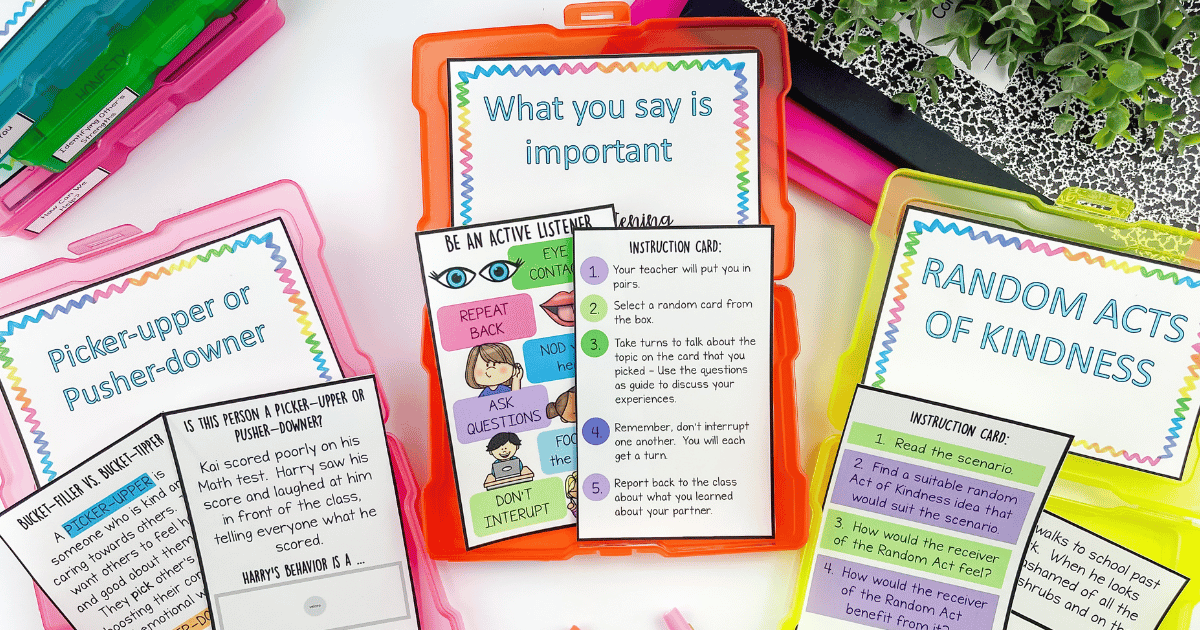
That leads to greater disrespectful behavior from being misunderstood constantly and not being able to clearly share what’s going on in or show appropriate behavior.
If they had the regulation and communication tools in that moment to respond differently… they would.
Understanding the Brain Behind the Behavior
Here’s a simple breakdown teachers can keep in their back pocket:
- Impulse Control: Students speak or act before thinking. That quick retort wasn’t disrespect, it was speed.
- Working Memory: They forget directions easily. What looks like “ignoring” is often complex differences in cognitive overload.
- Emotional Regulation: Big feelings hit fast and hard. A raised voice is often panic, not disrespect, but it could lead to angry outbursts.
- Task Switching: When asked to stop something fun or hard, their brain freezes. Refusal isn’t a power play, it’s transition difficulty.
Once you understand the “why,” your responses become calmer, more effective, and far less emotionally draining.
Responding Without Taking It Personally (Even When It Feels Personal)
When everything in your teacher brain is screaming, “This student is being rude!”-pause and remind yourself that this is likely a lack of self-regulation skills and problem-solving skills.
A few grounded strategies that immediately shift the situation:
- Stay neutral. Tone is everything. A calm, matter-of-fact voice keeps the moment from escalating.
- Assume skills are lagging. You’ll respond with teaching instead of punishment.
- Give space before addressing it. The ADHD brain often need 60–90 seconds to come back down.
- Lower your language load. Less talking, more clarity. Dysregulated brains can’t process long explanations.
- Shift from confrontation to curiosity. “What do you need right now?” works far better than “Why would you say that?”
When you don’t take the behavior personally, you stop feeding the power struggle. And the student stops fighting an adult who feels like a threat.

Teaching the Skill Instead of Punishing the Symptom
Behavior improves when students learn what to do instead. Not from consequences alone.
Your student is a capable human being, but they may have low self-esteem. Giving them the skills they need to thrive becomes confidence builders. You’ll be able to teach academic too, of course, but prioritizing executive functioning will help everything stick.
Kids choose from the skills they have. If we want different behavior, we give them more options.
Connection Reduces “Disrespect” Faster Than Consequences Do
Students with ADHD tend to hear more corrections than praise, more redirections than encouragement, and more “stop that” than “I’m glad you’re here.” That builds a defensive wall.
Connection breaks that pattern.
Small, consistent relationship-builders do the heavy lifting:
- A daily check-in
- A special classroom job
- Predictable routines
- A private joke or shared interest
- A quick “I saw how hard you tried earlier, thank you”
When a child feels safe with you, their defenses lower and the “disrespectful” behavioral problems decrease because you’re no longer a threat to their nervous system.
So What Happens When It Still Comes Out Wrong?
Because it will. Even with support and connection. No student with ADHD is mastering emotional regulation overnight. It’ll still be difficult for us to remember the root cause long-term.
When a moment does flare up:
- Don’t match the student’s intensity.
- Don’t correct in front of the class.
- Offer a brief, neutral direction (“Let’s take a minute.”).
- Allow a reset.
- Repair privately after regulation returns.
The goal is always regulation first, teaching second. Not “winning” the exchange. The first step is to eliminate the power struggle from the get-go. Remember those restorative conversation tools I mentioned earlier, they’ll be good here too. Grab them now.
The Bottom Line: It’s Not Disrespect. It’s Dysregulation.
Kids with ADHD aren’t trying to be rude. They’re trying to communicate with the tools their brain currently has. When we stop labeling their behavior as disrespect and start seeing it for what it is-a skill gap, an emotional overload, an impulse they couldn’t catch in time-we respond with compassion and strategy instead of frustration.
When we remember that executive function affects so much of how a student with ADHD shows up in the classroom, we can get to the root of where the needs are. The ADHD struggle in the classroom is real. And with behavioral challenges, it gets even more difficult.
Remember to get back to what the child needs, not focusing on the child’s challenges in order to help make the school day easier for you and the student.
It doesn’t just change your classroom.
It changes the child’s entire school experience.