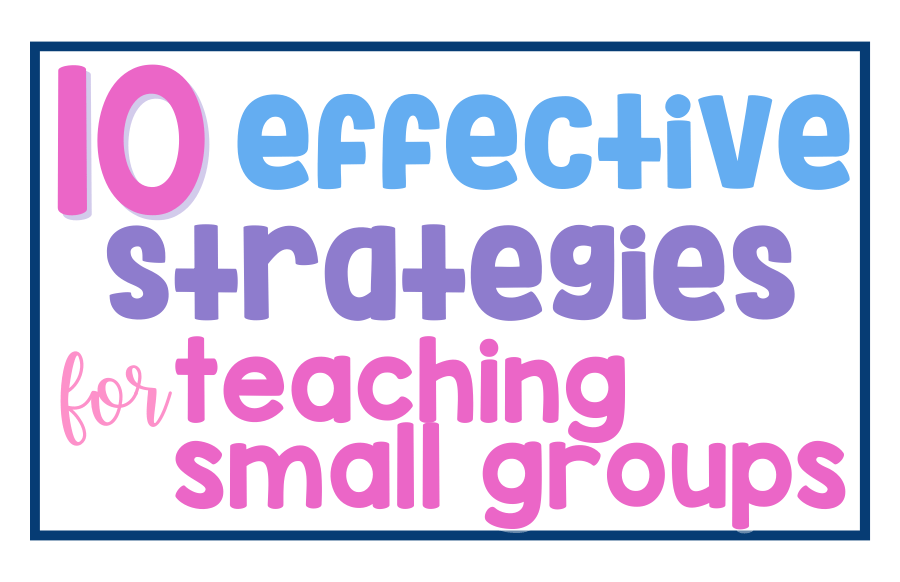
10 Effective Strategies for Teaching Small Groups
Small group instruction is one of the most talked-about teaching strategies in elementary schools, but it can also be one of the biggest challenges in your classrooms.
On paper, small groups of students sound like the perfect solution. You meet individual students or a small group where they are, differentiate instruction, and support specific learning needs without slowing down the rest of the class. In reality though, small group time often feels messy, rushed, and overwhelming. It also can be incredibly time consuming to prep (let alone set up the expectations for it).
It’s hard to navigate all of the moving parts associated with running small groups effectively: differentiation, classroom management, materials, etc.

OVERLOADED caseload? No idea how you are going to manage it all? This Summit is for you.

calling all SPED Teachers
OVERLOADED caseload? No idea how you are going to manage it all? This Summit is for you.
You’re trying to run a small-group lesson, keep the rest of your students engaged, manage behavior, and somehow track student progress-all within a limited amount of time.
If that sounds familiar, you’re not alone. It’s something every teacher struggles at some point.
At times it may feel like we need to be doing more to make them effective, but truly effective small group instruction isn’t about adding more. It’s about careful planning, a familiar structure, and systems that support both student learning and behavior.
When done well, small group learning becomes the core of differentiation and one of the most powerful ways to meet the needs of a diverse group of students.
Let’s break down what actually works.

Why Small Group Instruction Matters
Small group work allows classroom teachers to guide students through the learning process in smaller settings where instruction can be targeted and responsive. In a small-group setting, teachers can focus on specific learning objectives, address targeted academic needs, and adjust instruction based on individual student responses.
Research continues to show that small-group instruction has the most significant impact when it’s intentional and structured. We’ve known the benefits of small-group instruction for literacy skills for years, especially when groups are flexible and focused on specific learning goals.
But small groups don’t magically work on their own. Without clear expectations and an organizational structure, they can quickly become the most stressful part of your daily instruction and lesson plans.
Strategy 1: Start With Clear Learning Goals for Each Group
Let’s start with the obvious. Every small-group lesson needs a purpose.
Before pulling a group, identify the specific learning goals you’re targeting. Keep them simple. These goals should align with the lesson’s learning objectives and the main content you’re teaching during whole-class instruction.
Ask yourself:
- What new skills are students practicing?
- Which specific learning needs am I addressing?
- How does this small group support increased student learning in this subject area?
Clear goals help guide instruction and prevent small-group time from turning into unfocused busy work. When group members understand the purpose, student participation increases and behavior issues decrease because they are dialed in on one goal.

Strategy 2: Teach Small Group Expectations Like You Teach Academic Skills
Clear expectations are a key component of effective small group instruction.
Students need to know:
- How to join a small group
- What materials to bring
- How to participate in small group discussions
- How to ask questions and for help without interrupting or calling out
These expectations should be explicitly taught, modeled, and practiced often. This is especially true with younger students and students who struggle with social skills or have special needs.
This is a constant challenge in smaller groups, but it’s also the best thing you can do to support success. A familiar structure reduces anxiety and helps guide students toward greater responsibility during small-group work.
You’ll likely have to re-teach these routines and expectations after long vacations/breaks and when things start to feel chaotic again because they will.
Strategy 3: Use Flexible Grouping Based on Student Needs
Permanent groups often limit or stifle student progress.
Ongoing, flexible grouping allows teachers to regroup students based on skill levels, similar needs, and specific learning objectives. Students move between groups as their skills develop, which supports proper differentiation.
In today’s classrooms, flexibility is key. Students’ needs change and growth opportunities. So, small groups should reflect that reality. It’s also important to remember that personalities may clash and some students may work best within a different peer group. That’s okay too!
This teaching strategy ensures that instruction remains responsive to individual needs of students while supporting the true potential of small groups.
Strategy 4: Design Independent Work the Rest of the Class Can Actually Do (and isn’t just busy work)
This one is so important! One of the biggest challenges with small group time is managing the rest of your students. We often forget that we still have to provide a lesson/activity for the larger group.
These activities should be things students can do easily.
Independent tasks should always:
- Match students’ learning level
- Be familiar and practiced
- Reinforce previously taught skills
If the rest of the class can’t work independently, small-group instruction will constantly be interrupted. This isn’t solely a behavior issue, but it is a planning issue.
Station rotations and weekly small group activities work best when independent tasks are simple, purposeful, and aligned with whole-group instruction.
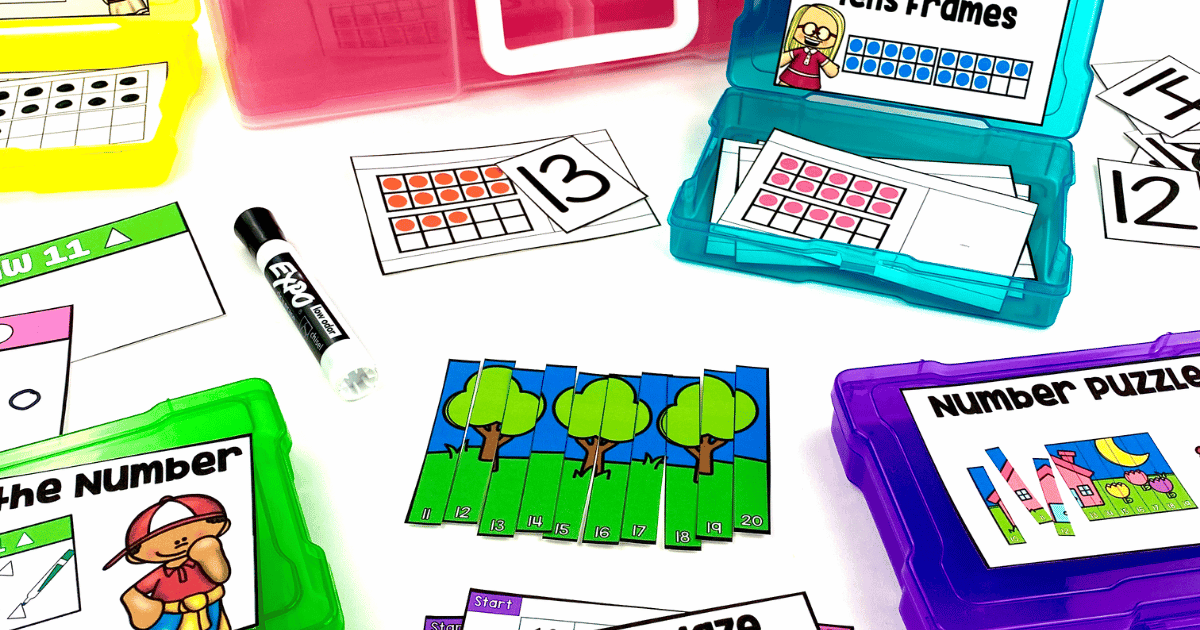
The best way to do this is with task boxes as one of the small groups. They can be leveled, no prep and kids love to play them!
Strategy 5: Create Help Systems That Don’t Interrupt Small Groups
Students need a way to get help that doesn’t completely derail your small group instruction.
Effective systems might look like:
- Visual help cards
- Posted directions
- Student leaders with a specific role
Teaching students how to use these systems is part of the learning process (don’t forget to re-teach!). When students know how to seek help appropriately, student participation improves and small-group time becomes more productive.
Strategy 6: Keep Small Groups Short and Focused
Longer isn’t better.
Short-term, focused small-group lessons, which are often 10 to 15 minutes, are far more effective than longer blocks. Attention spans drop quickly, especially in elementary classrooms.
Rather than trying to meet with every group daily, rotate groups throughout the week. This type of planning protects instructional time and helps you focus on the students who need additional support more regularly.
Strategy 7: Build a Predictable Routine for Small Groups
Predictability supports learning-which also supports behavior.
A permanent daily structure doesn’t mean rigid instruction. It means students know what to expect.
A consistent routine might look like:
- A quick review
- Targeted instruction
- Guided practice
- A brief wrap-up
This familiar structure supports academic skills, reduces behavior issues, and helps students stay engaged during small-group time.
Strategy 8: Use Visual Supports, Timers, and Organizational Tools
Visual supports are a great way to help students manage small-group work independently.
Visual schedules, timers, and graphic organizers help guide students through tasks and reduce confusion. These tools are especially effective for students with specific learning needs or executive functioning challenges, but are also supportive for all kinds of learners. The great thing about timers is not only does it keep the students on task on when to switch, it also keeps you the teacher on track so you don’t go over and leave only 5 minutes for your last group!
In smaller settings, these supports allow teachers to focus on instruction instead of constant redirection.

Strategy 9: Plan for Behavior as Part of Instruction
Behavior is not separate from instruction because it’s all a part of it.
Effective small-group instruction requires careful planning for transitions, peer interactions, and task difficulty. Anticipate where breakdowns might occur and build in supports ahead of time.
Cooperative learning in small groups requires defined roles, structured interactions, and teacher guidance. When behavior is planned for, instruction flows so much better.
Strategy 10: Reflect, Adjust, and Build Over Time
Small-group instruction is a skill that develops with experience, time, and tweaks.
More experienced teachers know that reflection is key.
After a lesson, think about:
- What supported student learning today?
- Where did students struggle during small groups?
- What’s the next step?
This reflection helps you refine your teaching strategy and make small adjustments as needed that lead to deeper learning.
Small Group Instruction Through a Special Education Lens
For special education teachers, and for general education teachers supporting students with IEPs, small-group instruction isn’t just a great way to teach. It’s generally the primary way students access learning.
In a small-group setting, teachers can slow the pace, adjust instruction, and respond to individual students in real time. This is where specific learning needs are addressed intentionally, rather than as an afterthought during whole-class instruction.
Supporting special education students in the general classroom setting via small groups, or in pull-out small groups, are always supportive and the same strategies apply!
Small groups allow teachers to:
• Target IEP goals and specific learning objectives
• Provide repetition and scaffold new skills
• Support social skills in a controlled environment
• Monitor student progress closely
• Adjust instruction based on individual responses
For many students, especially those with attention, language, or behavior needs, smaller groups reduce cognitive overload. Fewer peers, clearer expectations, and a familiar structure help students stay regulated and engaged in the learning process.
That doesn’t mean small groups should feel isolated or separate from the rest of the class. The most effective small-group instruction connects directly to the main content being taught during whole-group instruction. It’s just delivered in a way that meets students where they are.
Planning Small Groups for Students With Diverse Needs
When planning small group work for students with different needs, careful planning matters more than materials.
Ask yourself:
• What is the specific learning goal for this group?
• What barriers might prevent students from accessing this lesson?
• What supports will help students stay engaged and successful?
Supports might include:
• Visual directions or graphic organizers
• Clear roles for group members
• Shorter instructional time with built-in movement
• Explicit modeling before independent practice
Small-group time is also a great way to build independence. As students gain confidence, teachers can gradually release support and guide students toward greater responsibility.
My favorite tool is task boxes. Especially skills packs. They work on the same overall skill, but are differentiated within. Check them out here.
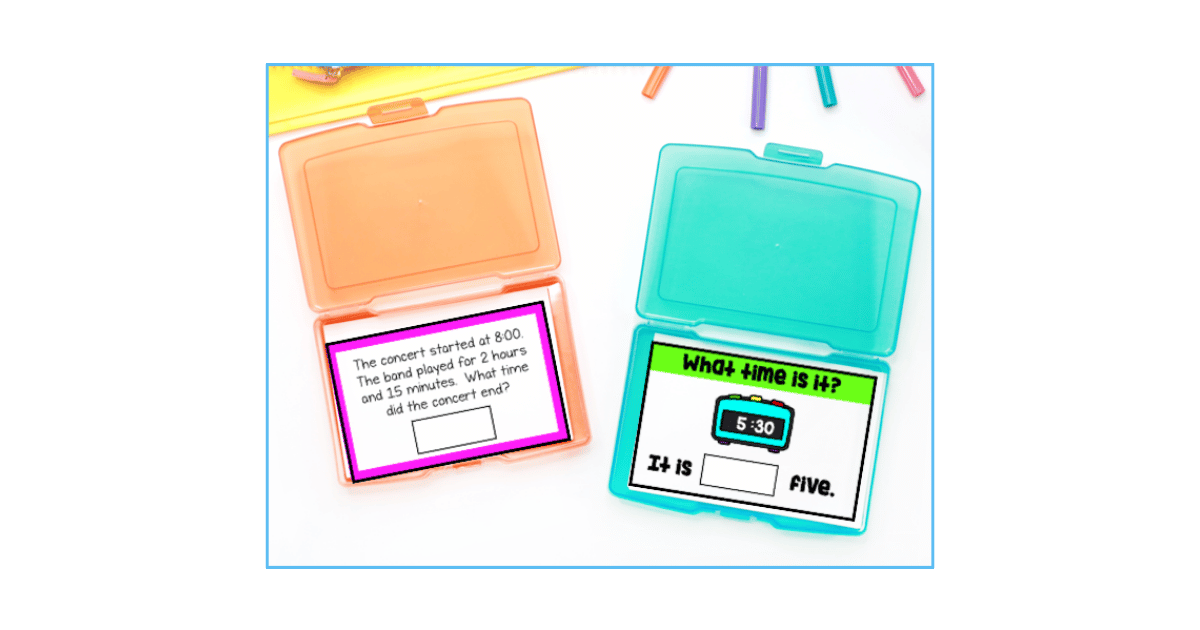
This approach honors the individual needs of students while still moving everyone forward. Win win.
Why Small Groups Are Worth the Effort
Despite the constant challenge of time, behavior, and planning, the benefits of small-group instruction are undeniable. So, let’s recap.
Small groups are a great way to:
• Meet individual students’ academic needs
• Provide targeted additional support
• Track student progress over time
• Deliver the right differentiation without overwhelm
They are a popular solution in elementary schools because they work. But they only work well when they’re intentional, structured, and aligned with students’ needs.
The true potential of small groups isn’t found in perfection. It’s found in thoughtful systems that make instruction doable day after day and not feeling like an overwhelming mess.
I hope the strategies above helped you see that small-group instruction doesn’t have to feel chaotic or impossible.
With clear expectations, a familiar structure, and intentional planning, small groups can become one of the most effective parts of your daily instruction. And it’s the greatest form of support we can offer some of our students who truly benefit the most from these small, intimate learning experiences. For those students, small groups are where they make the biggest leaps academically, socially, and behaviorally.
Start with one change. Protect your small-group time. Adjust as you go.
Small groups are versatile tools we can leverage in our classroom to teach targeted skills in any academic, social, or behavioral area. By practicing our structures and processes, we can layer this tool in to support all students.
That’s how meaningful progress happens for you and for your students. Good luck with your small groups!